
We aim to elevate women’s voices,
research and experiences in marine science.
These are stories from our community that connect and inspire us.
Bye-Bye Bivalves
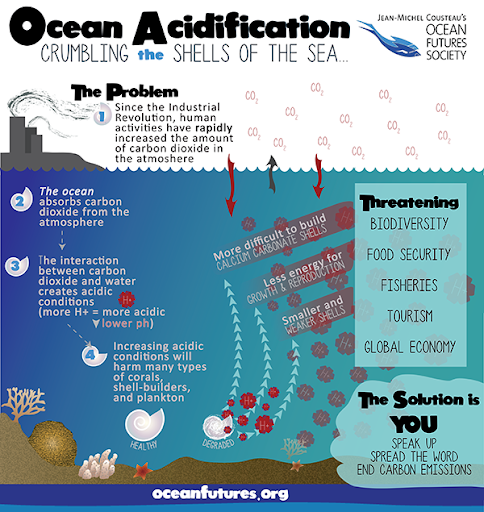
What covers 75% of the earth and has the ability to deteriorate CaCO3, the same material our bones are made up of? Our oceans!
Here’s the chemistry crash course you didn’t ask for: Acidity is measured in pH on a scale of 0 (most acidic/least basic) - 14(most basic/least acidic). Each number on the scale indicates a 10x difference in acidity or alkalinity. Something with a pH of 1 is 10x less acidic than something with a pH of 0. Liquids become more acidic with the presence of positive Hydrogen Ions (hydrogen with less electrons).

Science and Policy and OA, Oh My! - An Interview with Elly Harrould-Kolieb
Ocean acidification (OA) is a prominent topic in the world of marine conservation. Expert in the science-policy interface of OA, Ellycia (Elly) Harrould-Kolieb spoke to us about her work and experience in this field.
Women in the Lab: An Interview with Dr. Winnie Courtene-Jones, plastic pollution expert
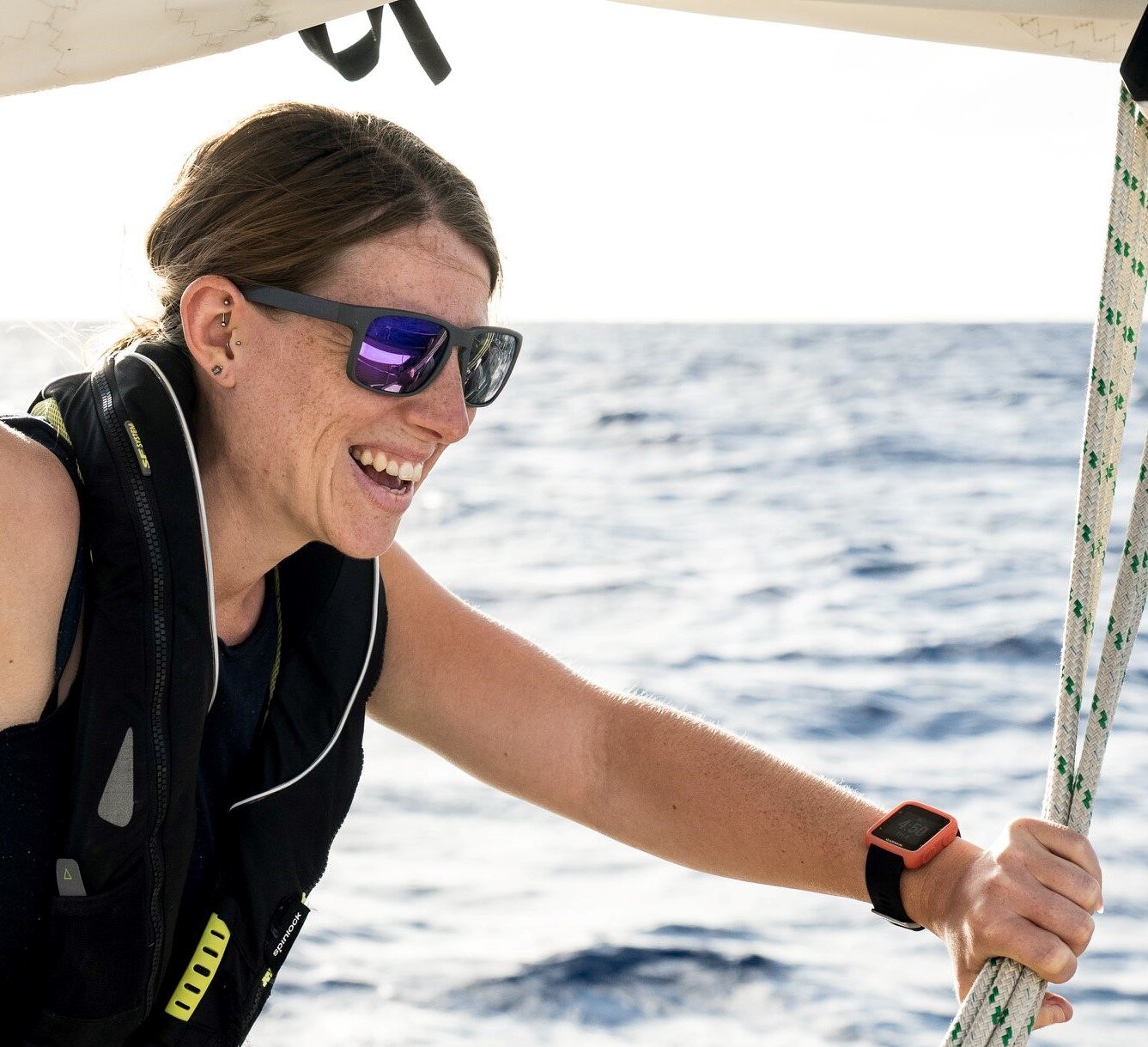
Meet Dr. Winnie Courtene-Jones, a plastic pollution expert working within the University of Plymouth’s International Marine Litter Research Unit, where she leads scientific investigation for eXXpedition, an all-female team sailing around the world researching plastic pollution.
Climate Change, Disease and Sick Corals
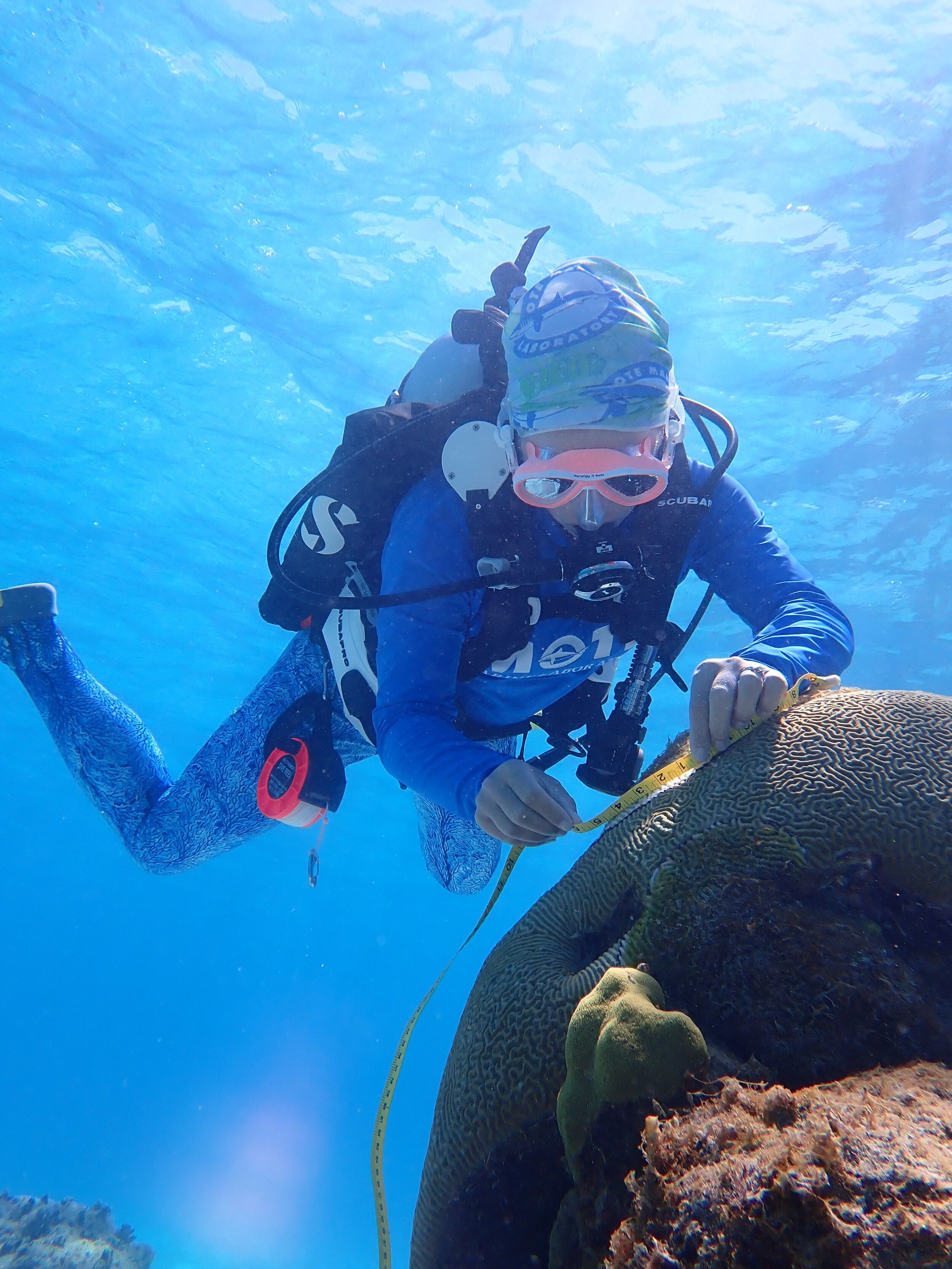
‘We have to fight now to preserve what we have left’, says Dr Erinn Muller, a Senior Scientist at Mote Marine Laboratory and Aquarium. Erinn is also the coral Health and Disease Program Manger and an avid SCUBA diver from the U.S.A. She has an extensive background conducting research on coral health, disease and restoration from around the globe, including Florida, Indonesia and Saudi Arabia with a research focus on what makes corals sick and why some corals are more resilient to threats in comparison to others.
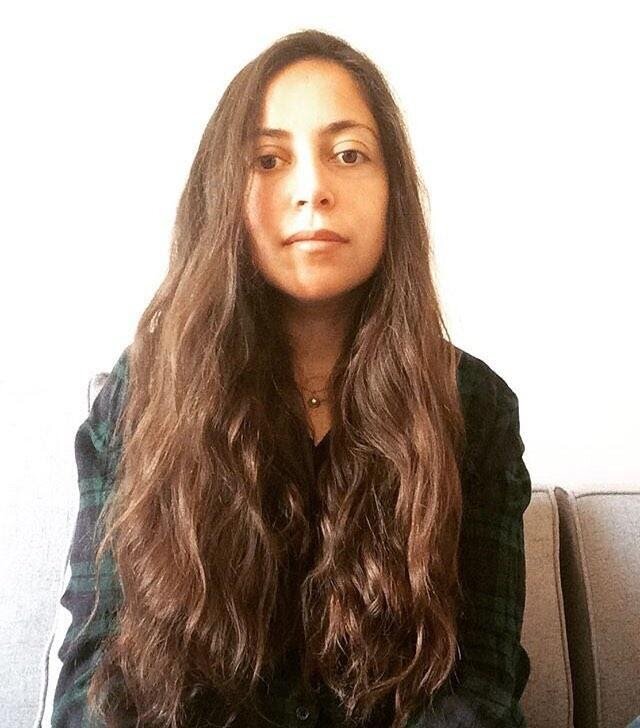
An Open Letter: The Anxious Mind of a Marine Scientist World Mental Health Day - October 10
It is not easy to expose my feelings and thoughts while writing this letter. I guess it is the anxious mind crying out to be concealed; telling me that I am making a fool of myself in being vulnerable in front of many strangers. “What will they think of me?”, is the first question that rises in my head. ‘‘Are they going to think that I am a ‘weak’ person?’’ I’ve come to hate that word ‘weak’ but it still resonates in my head when I’m being caught in a whirlwind of thoughts.
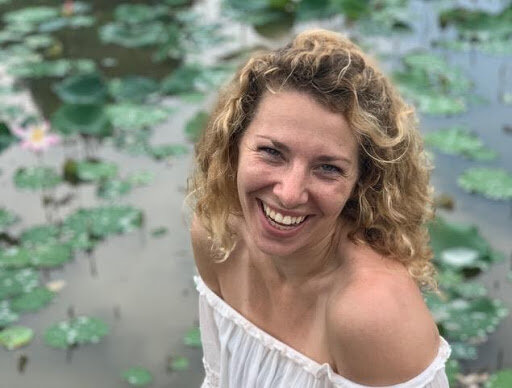
Not your stereotypical white coat lab work – Meet Coral Biologist Megan Clampitt
Stereotypes. Since the 1950s research has exposed the way students depict a scientist. White lab coats, eccentric men, wild hair and extravagant experiments all epitomise the stereotypical ‘mad scientist’ portrayed by the media. Although gender stereotypes may be on the decline, understanding the role of a modern scientist is important. Firstly, not all lab work requires a white coat and a crazy experiment!