
We aim to elevate women’s voices,
research and experiences in marine science.
These are stories from our community that connect and inspire us.
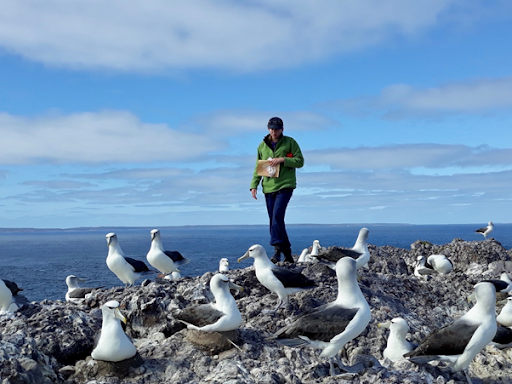
The Shy Albatross - An Interview with Claire Mason
In grade 9 biology, I wrote a research report on the behaviour of albatross – a bird I had never heard of before but was intrigued by because they looked like my pet ducks. I was absolutely blown away by them! I headed off to the big smoke (Brisbane) to study environmental science when I was 17. After a lot of study, some persistent nagging, and with bucket-loads of guidance and support from great scientists and people, I am now coming to the end of my PhD studying a threatened Australian species, the shy albatross.
Lobbying for Lobsters: Do they feel pain?

Is the Ocean our Toilet?: E. Coli threatening Australian Sea Lions with Mariel Fulham
I first came in contact with Mariel Fulham through my piece called “Fire Retardant Fur Seals: A Team Interview”. She was involved in a project that detected the level of fire retardant chemicals in three pinniped species of southern Australia. One of these species, the Australian Sea Lion (N. cinerea) is endangered AND endemic with only ~6,500 breeding adults remaining.
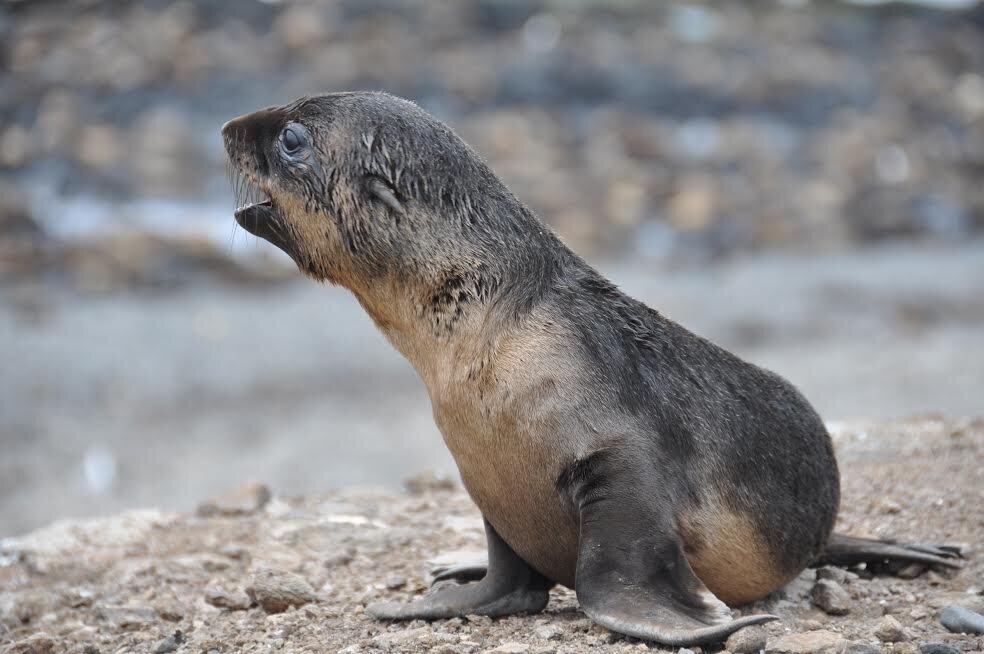
Fire Retardant Fur Seals: A Team Interview
Nothing has caught my eye in the same way that “Firefighting chemicals found in sea lion and fur seal pups” did on my monthly google search for blog topics. The real paper is called “Per and polyfluoroalkyl subtances (PFAS) at high concentrations in neonatal Australian pinnipeds”. Researchers from the University of Sydney analyzed levels of PFA’s found in three pinniped species: Australian Sea Lion (N. cinerea), Australian Fur Seal (A.p. doriferus), and Long-nosed Fur Seal (A. forsteri). PFA’s (identified as PFOA’s and PFOS’s through out the article) are fire retardant chemicals that can be found in products such as fire fighting foams, “stain repellents, polishes, paints and coatings”.
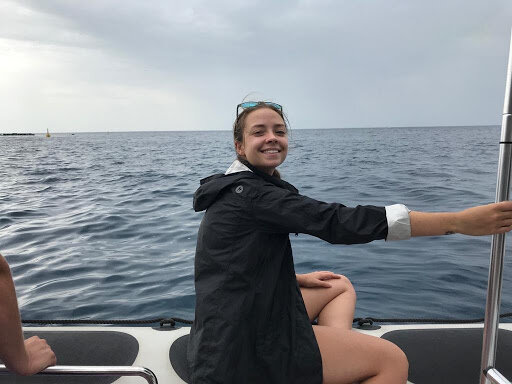
An interview with Marine Mammal Scientist, Emma Chereskin
Research has shown that dolphins exhibit a variety of social behaviours within their pods, although their communication systems have been studied extensively, there is still much to learn. Meet Emma Chereskin, marine mammal scientist completing her Masters degree at the University of Bristol who studies sociality and vocal communication in Indo-Pacific bottlenose dolphins.

Parrotfish Proving Pelagic Protection
One of the hardest things about studying the ocean is that it is fluid (yes, that was a joke). But what I mean is that the only real boundaries are land. I would argue that our “blue planet” has more cracks and creavaces for marine life to hide than land. We can predict general areas where certain species should be, but that does not always mean we will find our target material.