
We aim to elevate women’s voices,
research and experiences in marine science.
These are stories from our community that connect and inspire us.
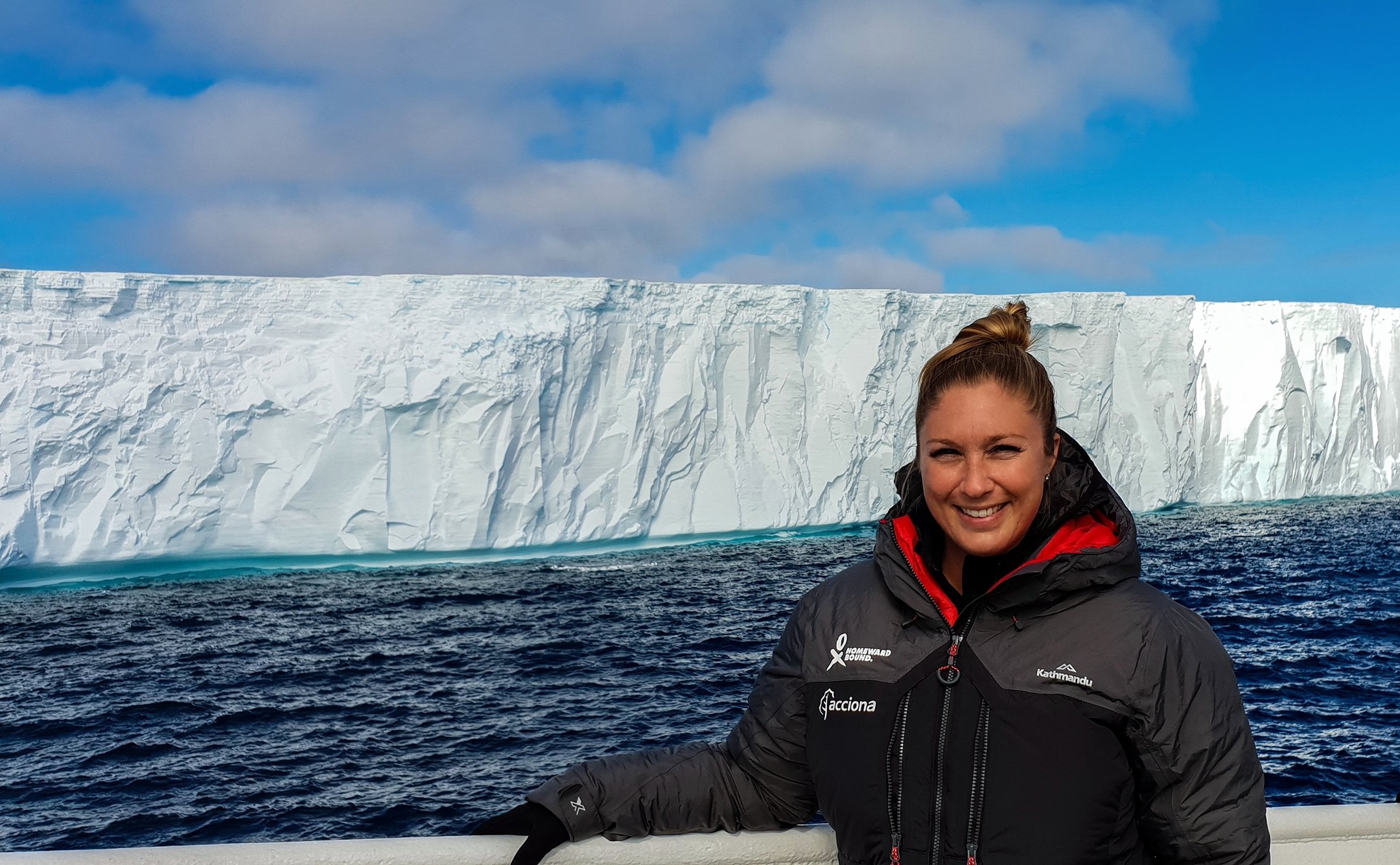
From childhood dreams to professional passion: Meet Australia’s Dr. Steph Gardner
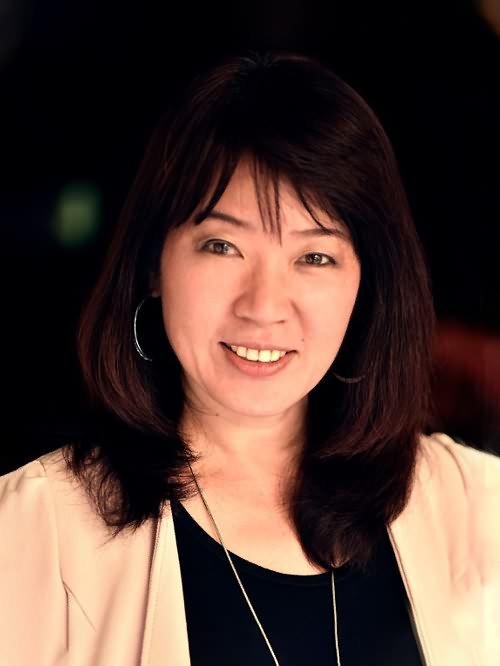
A pioneer of firsts: Meet Dr. Aileen Tan Shau Hwai
Being a female scientist can come with many challenges. Breaking down barriers and becoming the first woman to accomplish any major feat can be difficult, but Malaysian marine scientist Professor Dr. Aileen Tan Shau Hwai is a woman of many firsts.
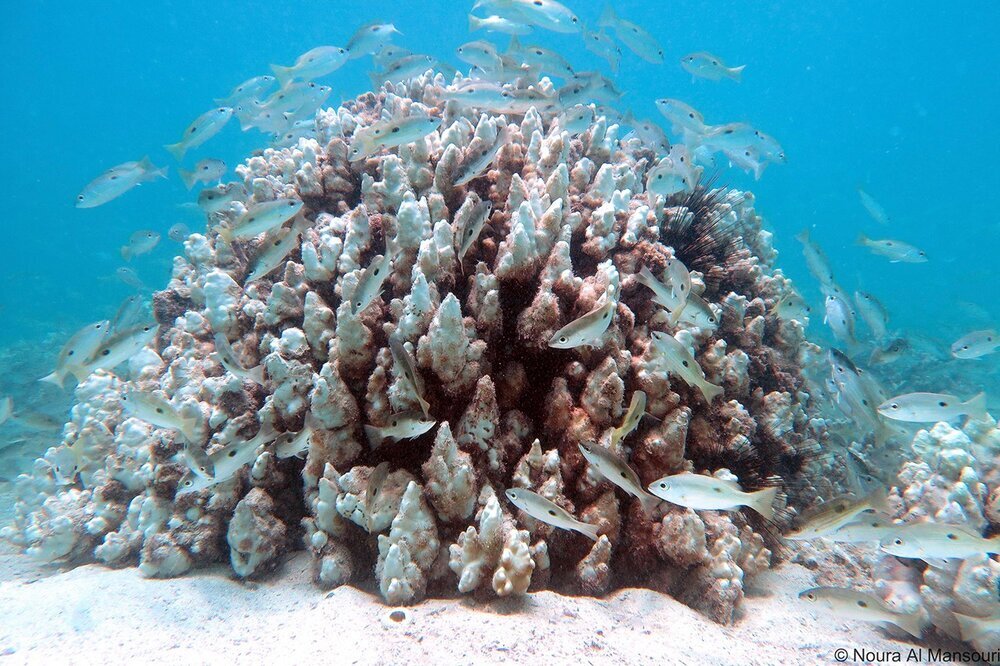
PAG the High Threat Sea: An Interview with Nora Al Mansoori about the Persian Arabian Gulf's aggressive conditions for survival of marine life
Okay, let me guess what places you just thought of. The Great Barrier Reef. The Bahamas. Polynesia. Micronesia. Hawai’i. Well, Noura Al Mansoori thinks of the Arabian Gulf aka the Persian-Asian Gulf (PAG).
Al Mansoori is a researcher at NYU Abu Dhabi who has studied a gamut of issues in the PAG, but for our interview we focused on her work with coral reefs and sea urchins. The Arabian Gulf is relatively shallow, which means it is susceptible to fast temperature change
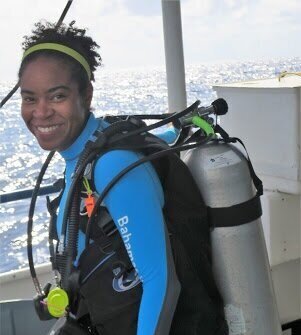
Life in The Bahamas: An interview with Marine Scientist Dr Krista Danielle Sherman
Crystal clear turquoise waters encompass The Bahamas and support a wealth of marine habitats, from coral reefs to mangroves and seagrasses. Home to the third largest coral reef in the world, the marine environment is bustling with exotic life. Meet Dr Krista Danielle Sherman, the first female Bahamian scientist to achieve her PhD within the Marine Sciences, who works tirelessly to ensure these intricate ecosystems remain pristine for years to come.

Marine Palaeontology: An interview with Dr. Leanne Melbourne
Numerous environmental changes have been observed in our oceans in recent years due to the increase in anthropogenic CO2 in the atmosphere. This in turn leads to ocean acidification and warming waters, phenomena that cause detrimental effects to marine organisms and their survival. Calcifying organisms are particularly at risk to these changes as it significantly reduces their ability to calcify, a vital process in which they create their hard shells or skeletons. Meet Dr Leanne Melbourne, a Marine Palaeontology lecturer at the University of Bristol whose research focuses on how these environmental changes affect the structural integrity of marine calcifiers through time.

Blue Seawalls: Using Artificial Structures to Support Biodiversity
Compared to our knowledge of the terrestrial environment, the ocean remains enigmatic; a vast, relentless mystery, the depths of which we understand less than the surface of the Moon. Serene though they may appear, coastlines the world over are being remodelled and redesigned to suit the needs of a growing human population, through the addition of artificial structures.