
We aim to elevate women’s voices,
research and experiences in marine science.
These are stories from our community that connect and inspire us.
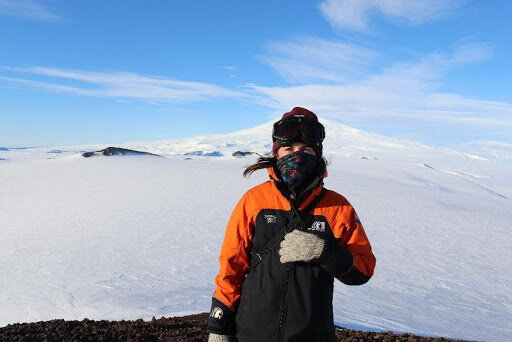
Protecting the Southern Ocean and Antarctica: A conversation with Natasha Gardiner
Magical and full of beauty and mysteries, Antarctica is a frozen wonderland. We spoke with Natasha Gardiner, a PhD researcher at the University of Canterbury in New Zealand where her research focuses on the Antarctic and Southern Ocean science-policy interface.
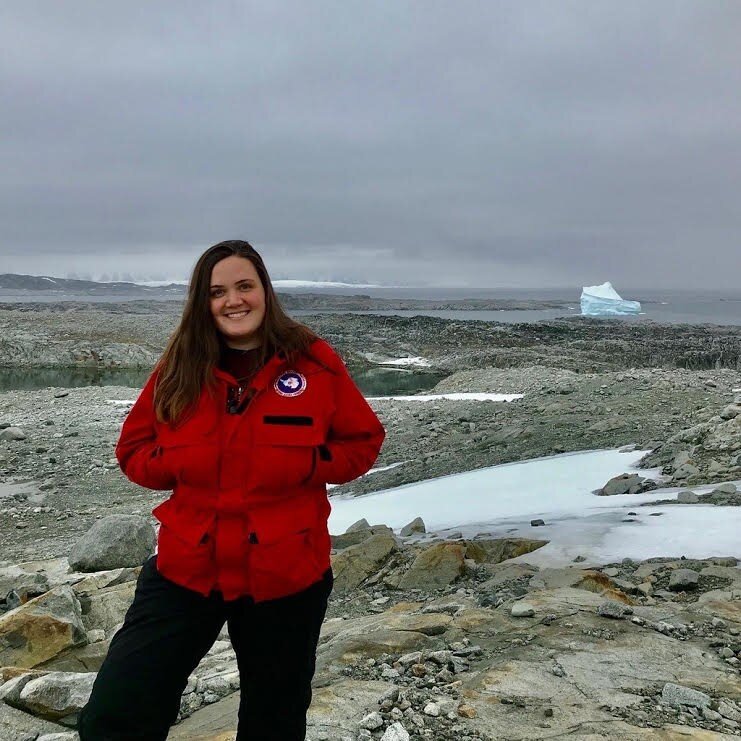
Antarctic Marine Bacteria! - An interview with Beth Connors
Beth Connors is a PhD student in the Bowman Lab for Scripps of UCSD. She is currently spearheading trips to Antarctica where she studies the ecological roles and genomics of heterotrophic (must eat to live) marine bacteria.
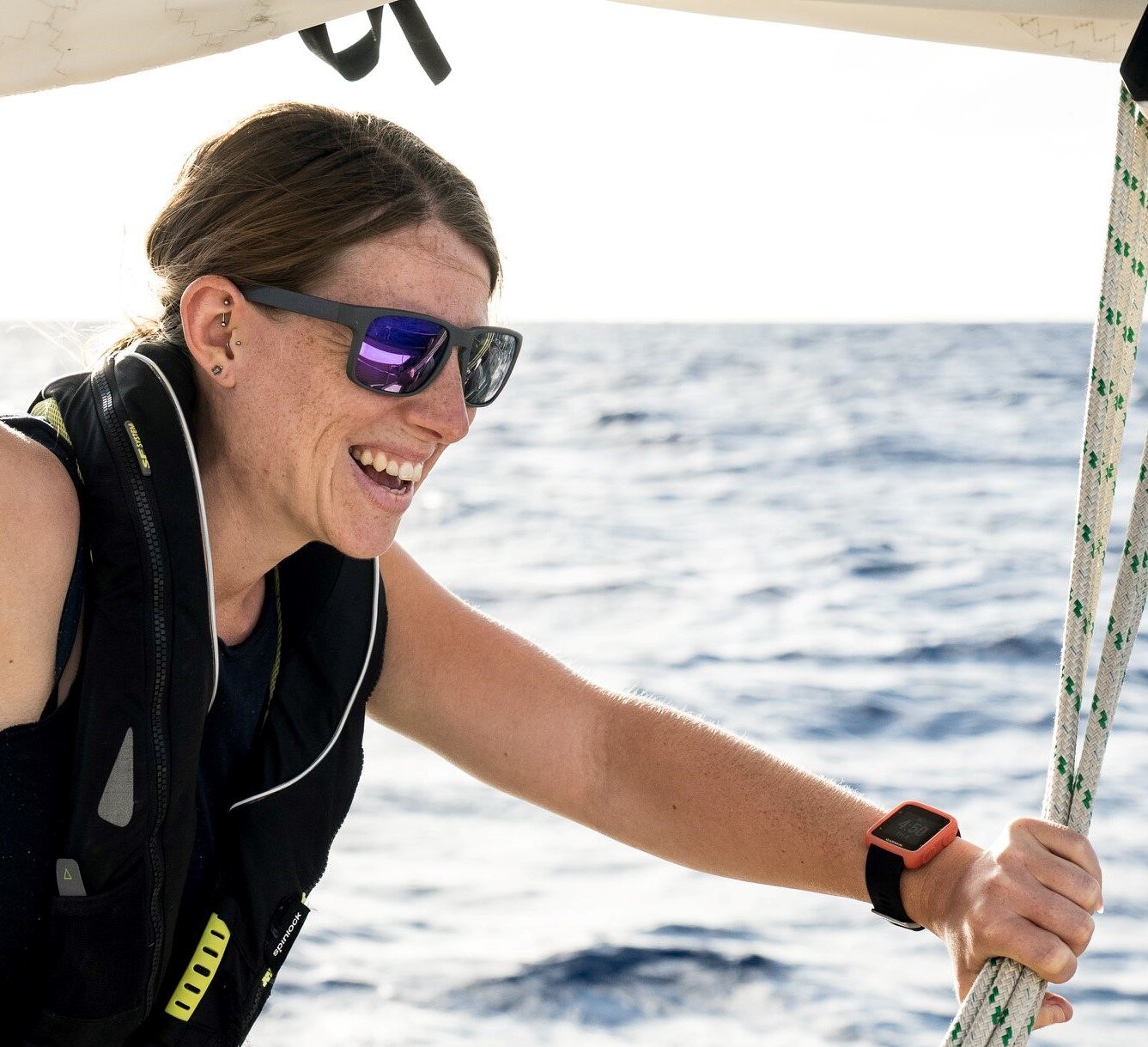
Women in the Lab: An Interview with Dr. Winnie Courtene-Jones, plastic pollution expert
Meet Dr. Winnie Courtene-Jones, a plastic pollution expert working within the University of Plymouth’s International Marine Litter Research Unit, where she leads scientific investigation for eXXpedition, an all-female team sailing around the world researching plastic pollution.
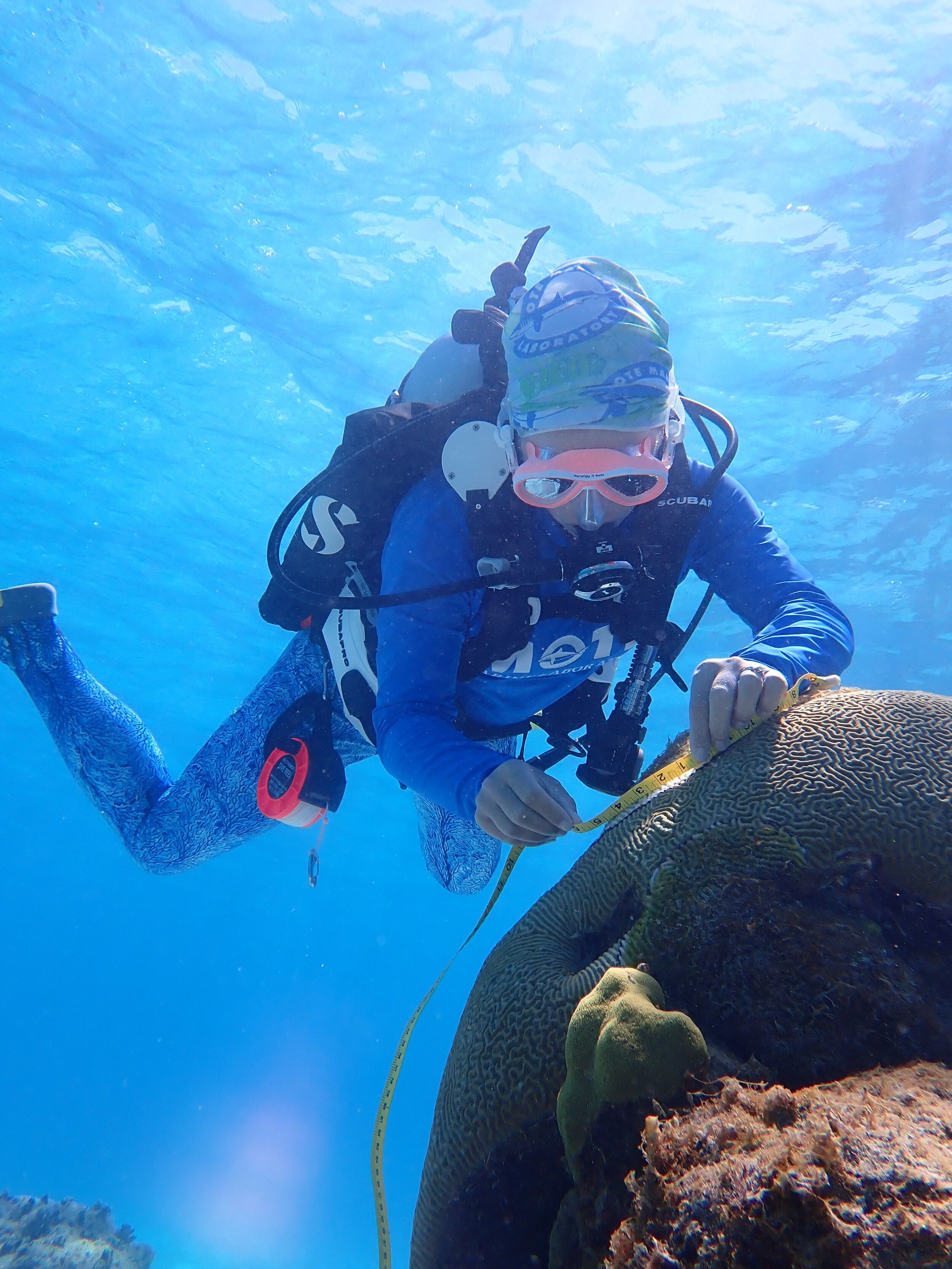
Climate Change, Disease and Sick Corals
‘We have to fight now to preserve what we have left’, says Dr Erinn Muller, a Senior Scientist at Mote Marine Laboratory and Aquarium. Erinn is also the coral Health and Disease Program Manger and an avid SCUBA diver from the U.S.A. She has an extensive background conducting research on coral health, disease and restoration from around the globe, including Florida, Indonesia and Saudi Arabia with a research focus on what makes corals sick and why some corals are more resilient to threats in comparison to others.
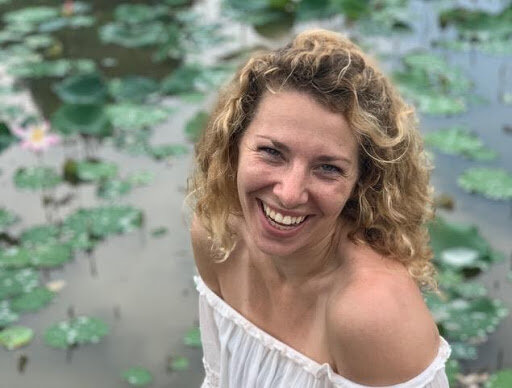
Not your stereotypical white coat lab work – Meet Coral Biologist Megan Clampitt
Stereotypes. Since the 1950s research has exposed the way students depict a scientist. White lab coats, eccentric men, wild hair and extravagant experiments all epitomise the stereotypical ‘mad scientist’ portrayed by the media. Although gender stereotypes may be on the decline, understanding the role of a modern scientist is important. Firstly, not all lab work requires a white coat and a crazy experiment!
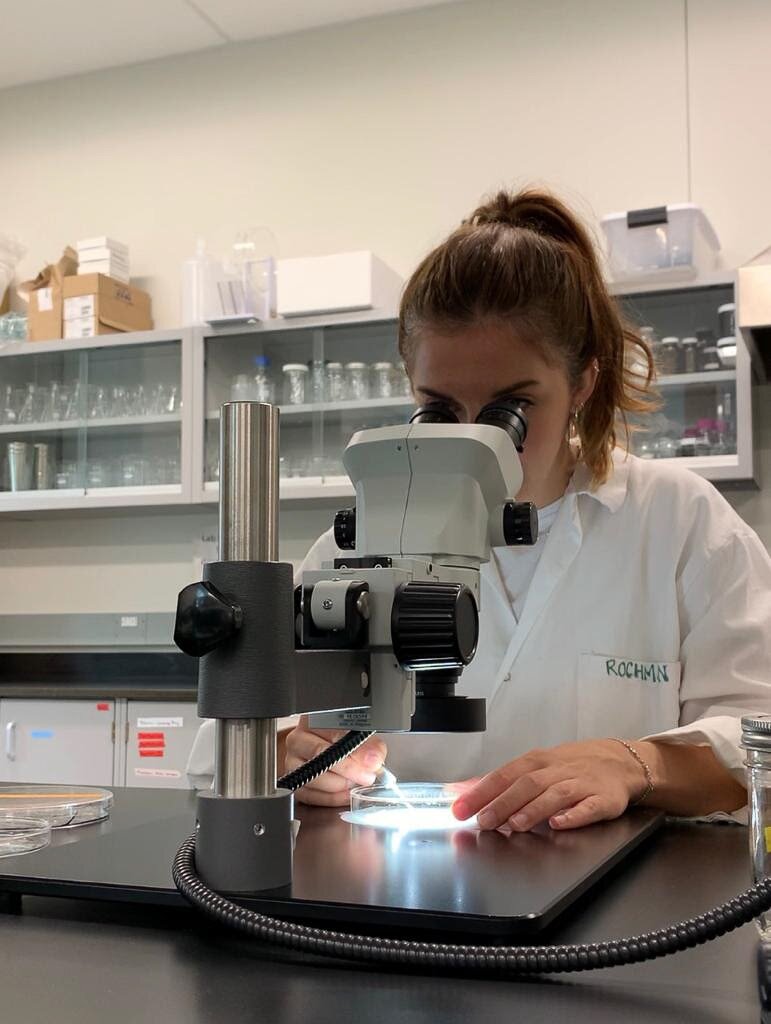
Up close and personal with Microplastics
Microplastics are everywhere. Every sample I have analysed, from sediments to fish tissue, has contained tens if not hundreds of plastic particles of different shapes and sizes. I work as a plastic pollution researcher at the University of Toronto, where a large part of my work involves testing and developing methods to analyse microplastics from environmental samples.