
We aim to elevate women’s voices,
research and experiences in marine science.
These are stories from our community that connect and inspire us.
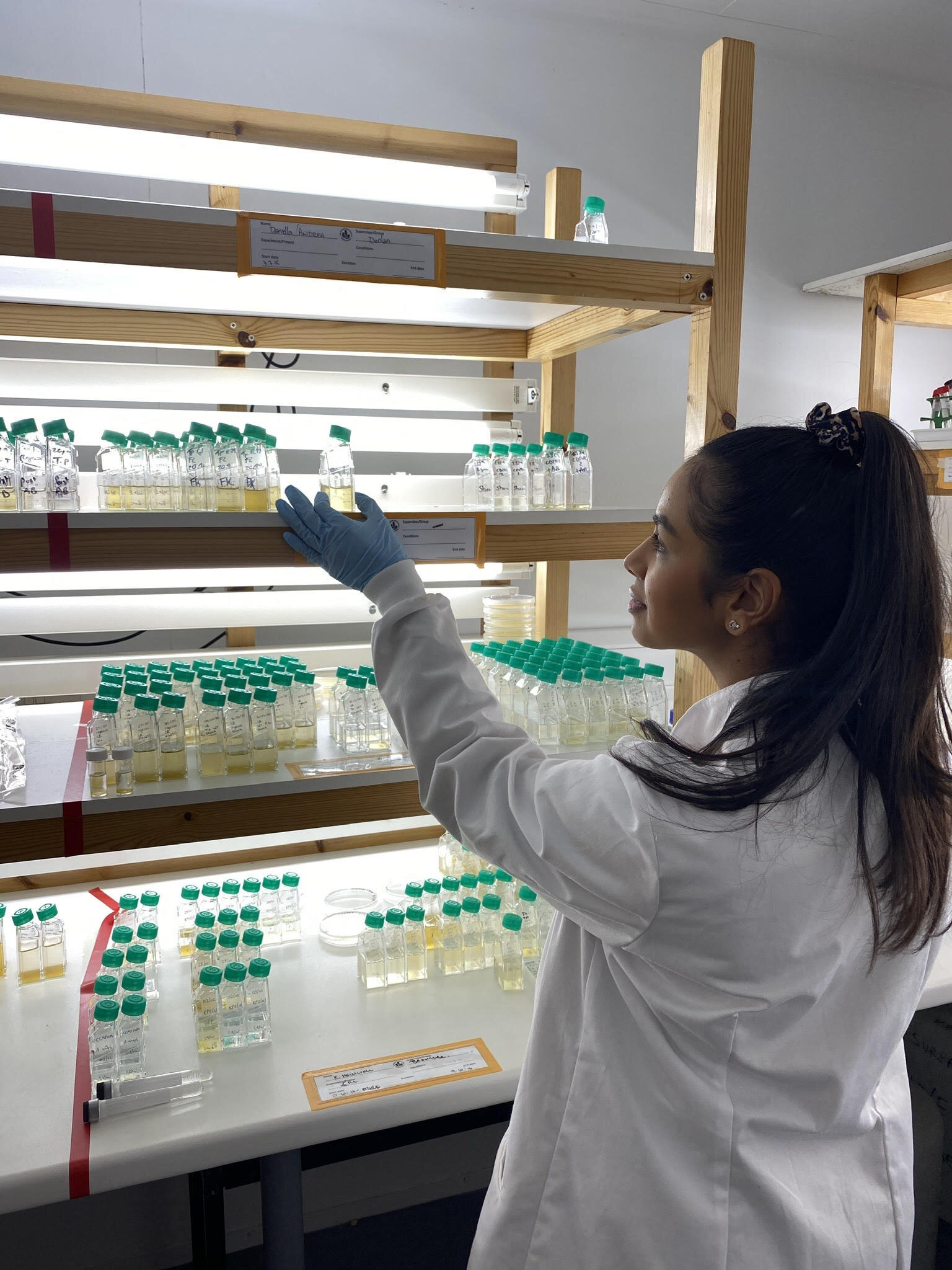
Marine Molecular Biology: An Interview With Yasmin Meeda
Marine biology is using the powerful methods of molecular biology to answer a variety of evolutionary and ecological questions. Meet Yasmin is a Marine Molecular Biologist studying at the University of Plymouth and the Treasurer for the Royal Society of Biology. Here is an insight to what life is like as a molecular biologist!
Searchin’ the Urchins – Ecotoxicology with Fengjia Liu
Fengjia Liu is a first-year PhD student with the University of Highlands and Islands and based at the Scottish Association for Marine Sciences (Scotland, UK). Her research focuses on ecotoxicology of sea urchins. https://www.sams.ac.uk/people/research-students/fengjia-liu/
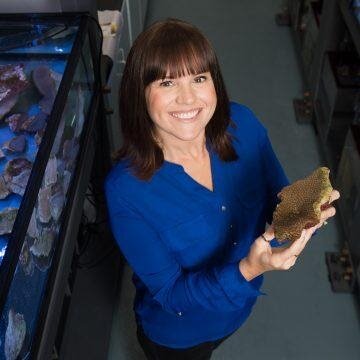
From Junkyard to Coral Research: An interview with Assistant Professor Dr. Sarah Davies
Dr. Sarah Davies, an assistant professor at Boston University utilises molecular techniques to understand how reef-building corals adapt and respond to climate change. Her lab, ‘The Davies Marine Population Genomics Lab’, seeks to understand precisely how and why these responses occur. To date, Dr. Davies has over 30 publications and is an inspiring woman in her field. Continue below as she reveals her journey from junkyard to assistant professor.

One With the Cetaceans: An Interview with Marine Biologist, Lisa Steiner
Lisa Steiner is the marine biologist for Whale Watch Azores, and has been since 1988! WOS Editor, Dana Tricarico dives into what brought Steiner to this archipelago, and what she has learned in the field of marine mammal science along the way.

Cetacean Biology and Motherhood: An Interview with Rita Ferreira
In a region known as Macaronesia, located in an archipelago in the North Atlantic Ocean, lies an Island named Madeira. Geographically positioned in the African Tectonic Plate, the waters are frequently inhabited by up to 29 species of cetaceans, equating to roughly 33 % of globally known species. The preservation of this diversity is therefore imperative, considering fatalities of marine mammals elsewhere.
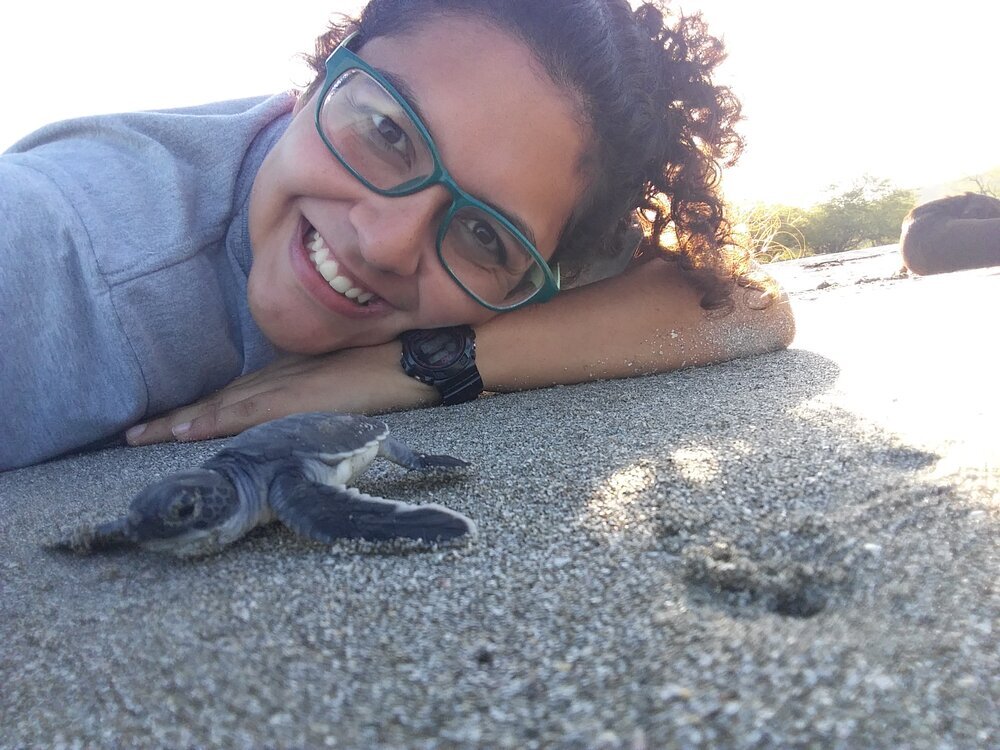
More than a scientist
When you think of a scientist you might think of someone in a lab or working outside, but rarely do you think of someone in the classroom. Veronica “Vero” Valverde works for the Leatherback Trust in Playa Cabuyal, Costa Rica and is one of the original members of their educational program, launched in 2017.
If you would like to have your article featured on our blog - please email contribute@womeninoceanscience.com