
We aim to elevate women’s voices,
research and experiences in marine science.
These are stories from our community that connect and inspire us.

Is the Ocean our Toilet?: E. Coli threatening Australian Sea Lions with Mariel Fulham
I first came in contact with Mariel Fulham through my piece called “Fire Retardant Fur Seals: A Team Interview”. She was involved in a project that detected the level of fire retardant chemicals in three pinniped species of southern Australia. One of these species, the Australian Sea Lion (N. cinerea) is endangered AND endemic with only ~6,500 breeding adults remaining.
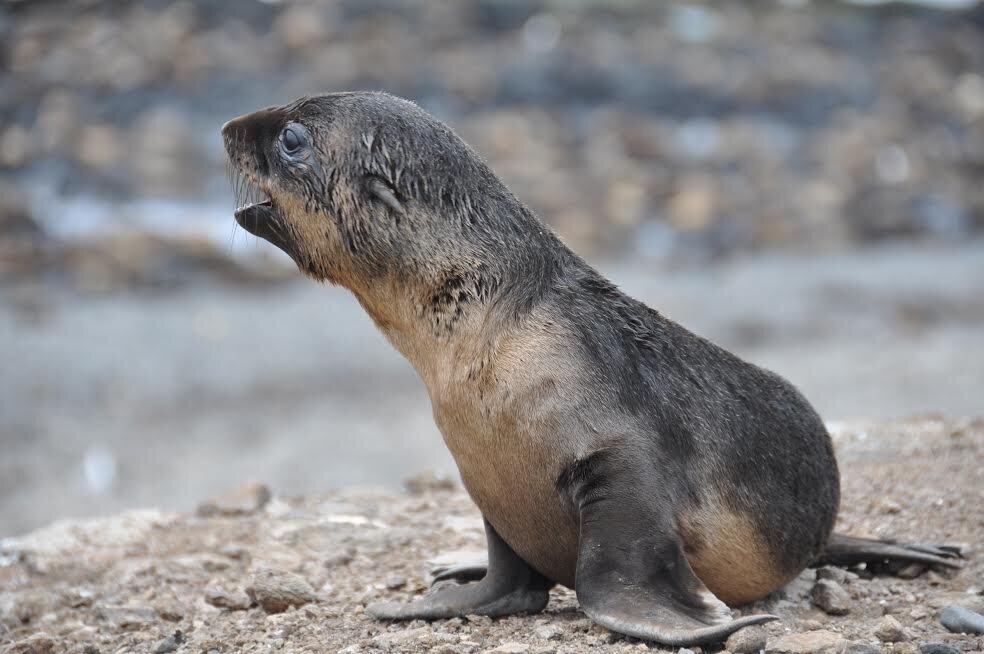
Fire Retardant Fur Seals: A Team Interview
Nothing has caught my eye in the same way that “Firefighting chemicals found in sea lion and fur seal pups” did on my monthly google search for blog topics. The real paper is called “Per and polyfluoroalkyl subtances (PFAS) at high concentrations in neonatal Australian pinnipeds”. Researchers from the University of Sydney analyzed levels of PFA’s found in three pinniped species: Australian Sea Lion (N. cinerea), Australian Fur Seal (A.p. doriferus), and Long-nosed Fur Seal (A. forsteri). PFA’s (identified as PFOA’s and PFOS’s through out the article) are fire retardant chemicals that can be found in products such as fire fighting foams, “stain repellents, polishes, paints and coatings”.
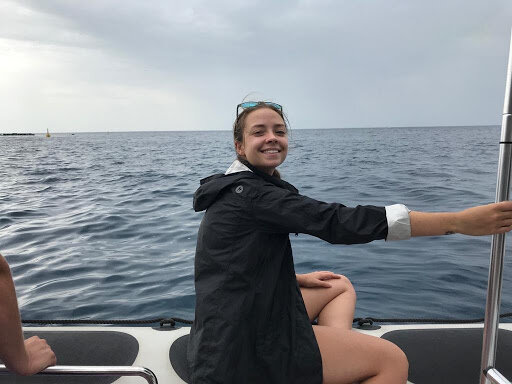
An interview with Marine Mammal Scientist, Emma Chereskin
Research has shown that dolphins exhibit a variety of social behaviours within their pods, although their communication systems have been studied extensively, there is still much to learn. Meet Emma Chereskin, marine mammal scientist completing her Masters degree at the University of Bristol who studies sociality and vocal communication in Indo-Pacific bottlenose dolphins.

Working with community fisheries to influence change: Meet Dr Joanna Alfaro Shigueto, a Peruvian Marine Biologist
Meet Dr Joanna Alfaro Shigueto, director and co-founder of ProDelphinus, a non-profit organisation in Peru that works with fishing communities, researchers and the government to protect sea turtles and marine fauna to reduce by-catch. She is an incredible scientist and mother of two (Kenzo and Jake) who has worked in marine conservation in South America for over 25 years!

Marine Palaeontology: An interview with Dr. Leanne Melbourne
Numerous environmental changes have been observed in our oceans in recent years due to the increase in anthropogenic CO2 in the atmosphere. This in turn leads to ocean acidification and warming waters, phenomena that cause detrimental effects to marine organisms and their survival. Calcifying organisms are particularly at risk to these changes as it significantly reduces their ability to calcify, a vital process in which they create their hard shells or skeletons. Meet Dr Leanne Melbourne, a Marine Palaeontology lecturer at the University of Bristol whose research focuses on how these environmental changes affect the structural integrity of marine calcifiers through time.
Using Education to Protect Great White Sharks: A Discussion with Marianne Long
The Atlantic White Shark Conservancy is a Cape Cod, Massachusetts based non-profit organization with the mission to support scientific research, improve public safety, and educate the community to inspire white shark conservation. Marianne Long is the Education Director at AWSC. She works with the Education team to create and deliver education programs that engage the public
If you would like to have your article featured on our blog - please email contribute@womeninoceanscience.com