
We aim to elevate women’s voices,
research and experiences in marine science.
These are stories from our community that connect and inspire us.

Pink Precipitation
If you live anywhere that gets cold, you’ve been told to not eat the yellow snow. But no one told us what to do with pink snow. Places around the world are starting to experience watermelon snow a.k.a. “blood snow”. Don’t worry no one got hurt. This isn’t the ‘White Christmas’ episode of Black Mirror. It’s actually due to an algae, Chlamydormonas nivalis, expressing natural red/pink pigment to protect itself from UV rays.
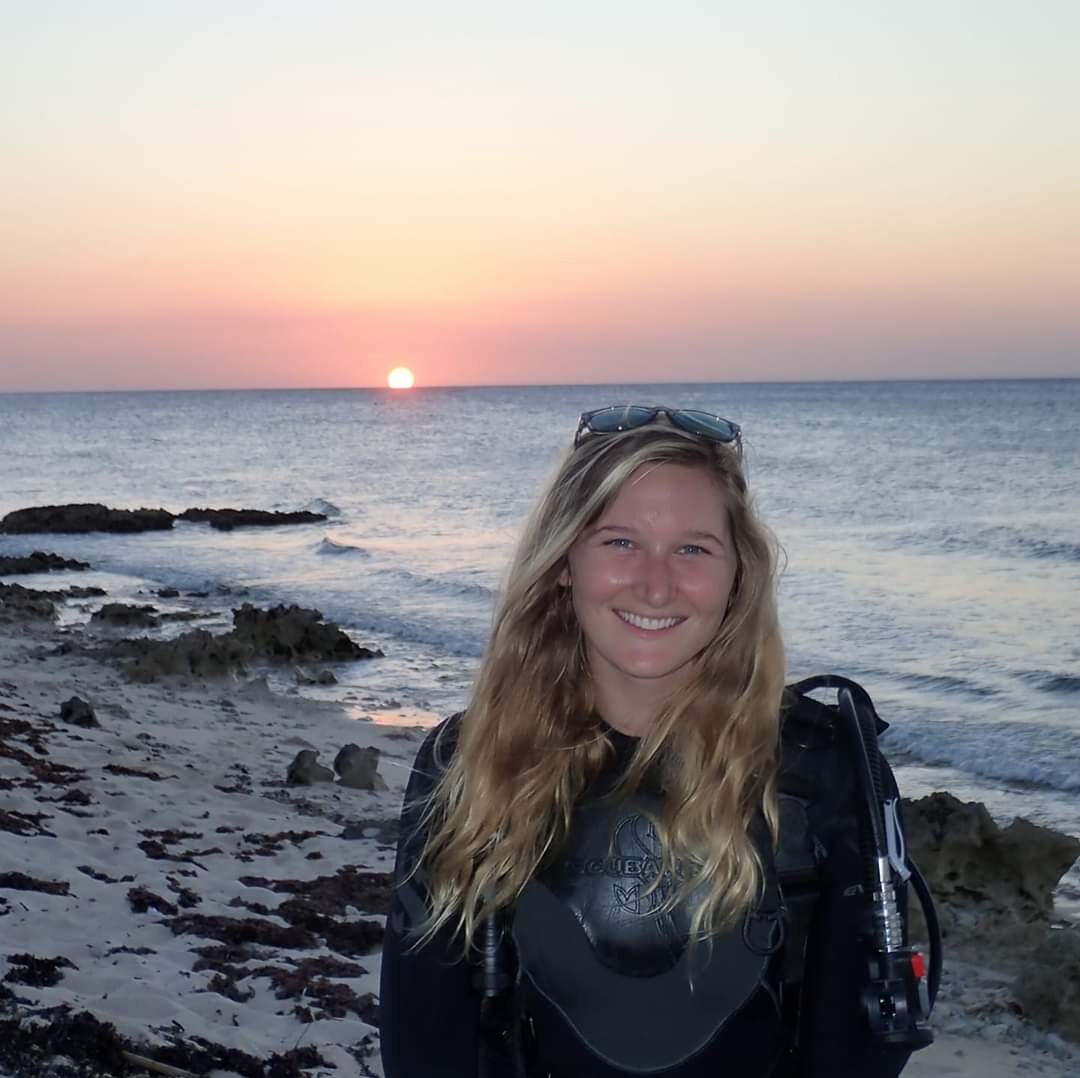
Aquaculture: An interview with Lauren Lapham
Meet Lauren, she recently earned her masters in fisheries and aquatic sciences from the University of Florida. As a student, she had the opportunity to work in a lab focused on invasion ecology and took part in fisheries research. Lauren's research focused on determining the potential invasiveness of Alligator Gar while assisting with the risk assessment of non-native fish and amphibians.
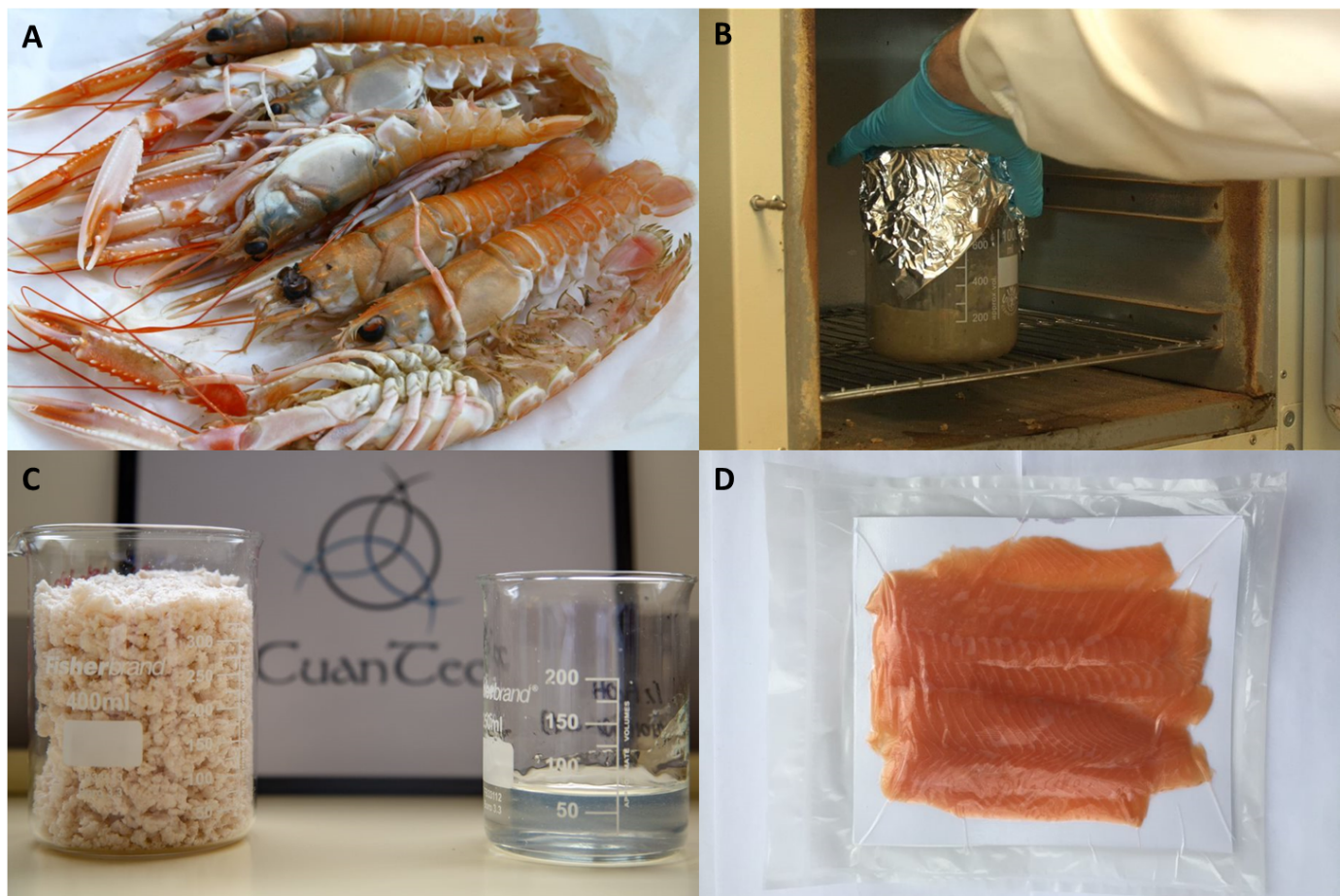
Using Shellfish to Prolong Shelf-life: CuanTec’s Answer to Plastic
Every year 8.8 million tonnes of plastic are dumped into our seas which has a devastating impact on marine wildlife. CuanTec is a Scottish marine biotechnology company with an innovative answer to the plastic problem through their food-safe packaging made from langoustine shells.

Fish Frontiers: A Closer Look at New Cell- and Plant-Based Seafood
With the looming threat of overfishing, and human health problems coupled with the push for sustainable fisheries, the seafood industry is seeing a trend in alternative options, much like the meat industry. With substitute meat products like Beyond Meat and the Impossible Burger grabbing headlines, the noticeable gap in alternative seafood options has been recognized, and thus, is beginning to ramp up
Do you Sea-food?

Feeling blue? Marine ecosystems can help tackle climate change
Climate change is responsible for devastating and, in some cases, irreversible changes to our marine environment. The Intergovernmental Panel on Climate Change (IPCC) recently released a ‘Special Report on the Ocean and Cryosphere in a Changing Climate’. The report paints a harsh reality for the future of our beloved marine environment: ocean warming will continue, heat waves will become more intense and frequent, sea level will continue to rise, and out of all of our marine and coastal ecosystems, coral reefs will face the greatest risk under future climate change.
If you would like to have your article featured on our blog - please email contribute@womeninoceanscience.com