
We aim to elevate women’s voices,
research and experiences in marine science.
These are stories from our community that connect and inspire us.
Introducing MISS: Minorities in Shark Sciences
In June of 2020 we, the soon-to-be co-founders of MISS, connected/reconnected on Twitter through #BlackInNature, a hashtag that went viral after @BlackAFInSTEM launched Black Birders Week. As the hashtag grew we slowly increased our ranks. Suddenly, four women who had felt completely isolated now had a community of scientists that looked like them.
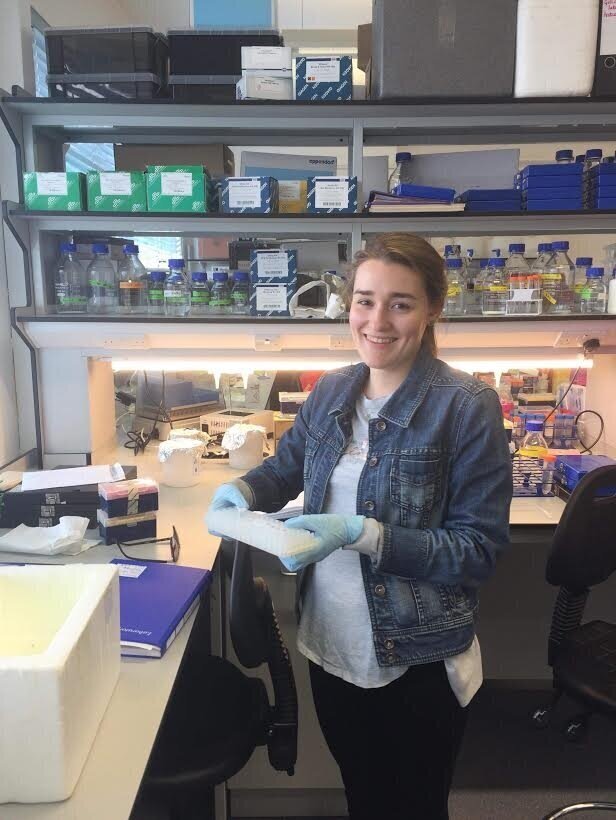
Little Skate, Big Impact
Skates, together with sharks and rays, are the only extant vertebrates that possess a cartilaginous skeleton. Although it hasn’t been explicitly tested in other species of skates (and there are about 150 species described!), we have a good understanding that they all share the same genetic machinery necessary for formation of cartilaginous skeleton.
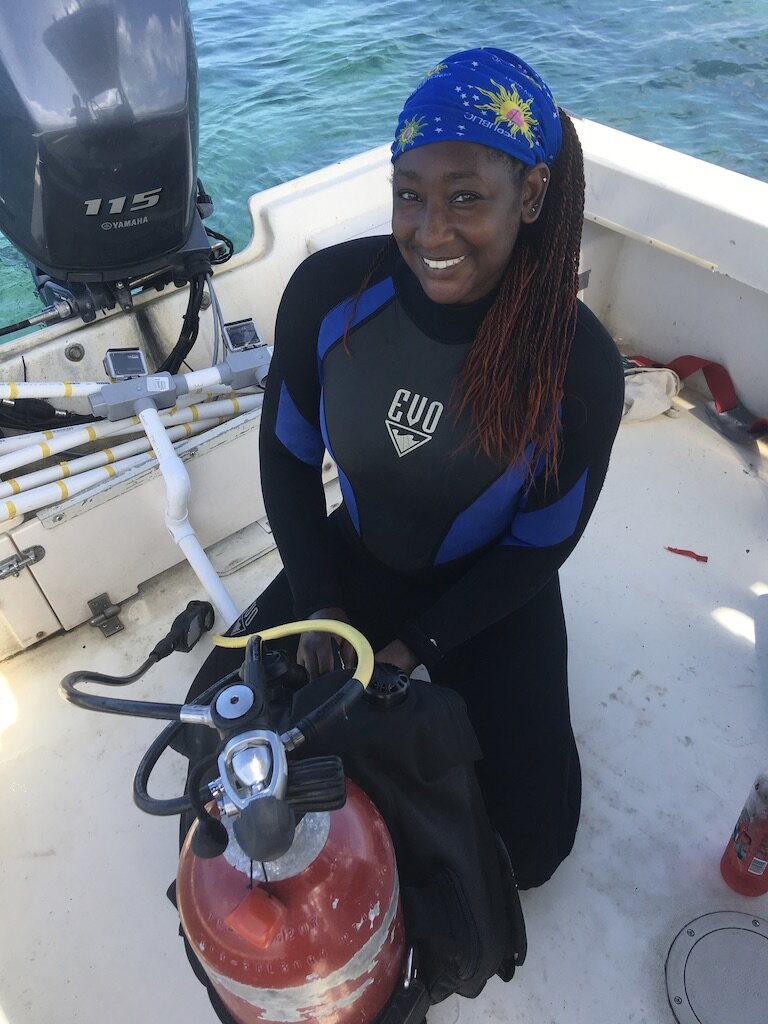
Kayelyn Simmons; A Collection of Personal Experiences by Black Women in Marine Science
I am currently a PhD Candidate in Marine Science at North Carolina State University. I was born and raised in Stone Mountain GA, youngest of three daughters. I love the Atlanta Falcons and boiled peanuts are my favorite southern snack!
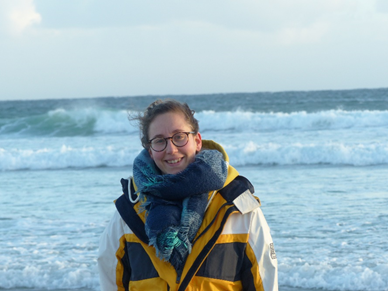
Marine Plastics in Scotland – An Interview with Lola Paradinas
Lola Paradinas is a passionate PhD researcher working at the Scottish Association for Marine Science (SAMS), based in Oban on the west coast of Scotland. She grew up on a sailing boat for the first ten years of her life circumnavigating the globe. Being in constant contact with the sea, she learnt to appreciate, respect and protect the marine environment.

Throwing it All Away: How United States Preemption Laws Undermine Plastic Pollution Progress
Plastic Pollution is one of the biggest problems facing the marine environment today. Plastic waste can often be found as litter along the side of the road or places where people gather like the beach. Even when disposed of properly, some plastic, like carryout bags and straws can be transported by the wind and often ends up in the nearest body of water. As we look to reducing single-use plastic consumption, it’s important to look at some of the policies in place.

Kelly Forsythe: A Collection of Personal Experiences by Black Women in Marine Science
Growing up on an island that was only 26 miles long and 2 miles wide you couldn’t escape the sea if you tried. The sea and trips to the beach were a regular occurrence for me throughout my childhood, but it really wasn’t until 6th form (year 12) that I decided to get serious about a career in marine biology.
If you would like to have your article featured on our blog - please email contribute@womeninoceanscience.com