
We aim to elevate women’s voices,
research and experiences in marine science.
These are stories from our community that connect and inspire us.
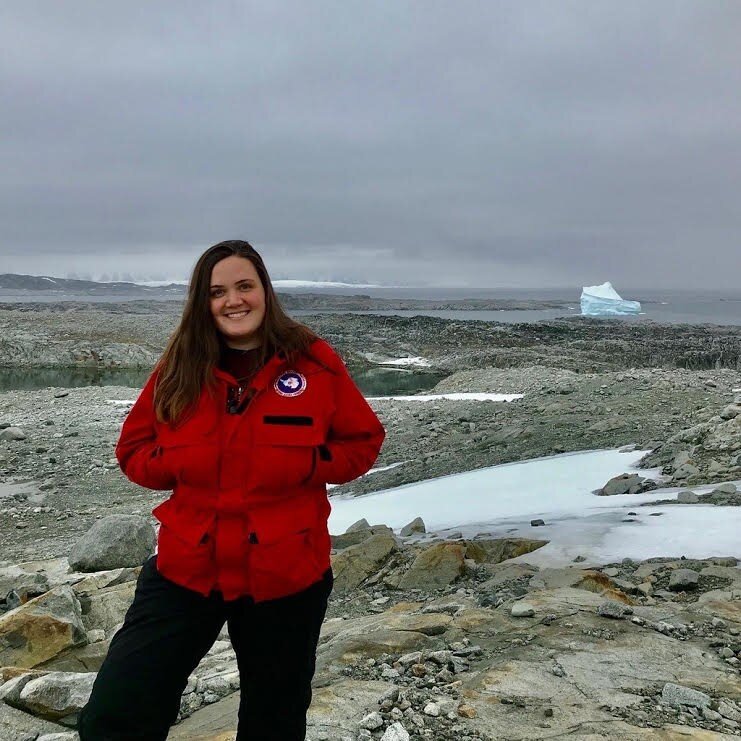
Antarctic Marine Bacteria! - An interview with Beth Connors
Beth Connors is a PhD student in the Bowman Lab for Scripps of UCSD. She is currently spearheading trips to Antarctica where she studies the ecological roles and genomics of heterotrophic (must eat to live) marine bacteria.

Tales of a Coral Aqauarist
A few years and career moves later, I find myself as an aquarist at the New York Aquarium (NYA). For the first time, I can confidently tell people that my job doesn’t feel like “a job”, which is something I have been wanting to find for a very long time. At NYA, I am one of the aquarist who is primarily in charge of the Conservation Hall galleries.
Nudibranch November
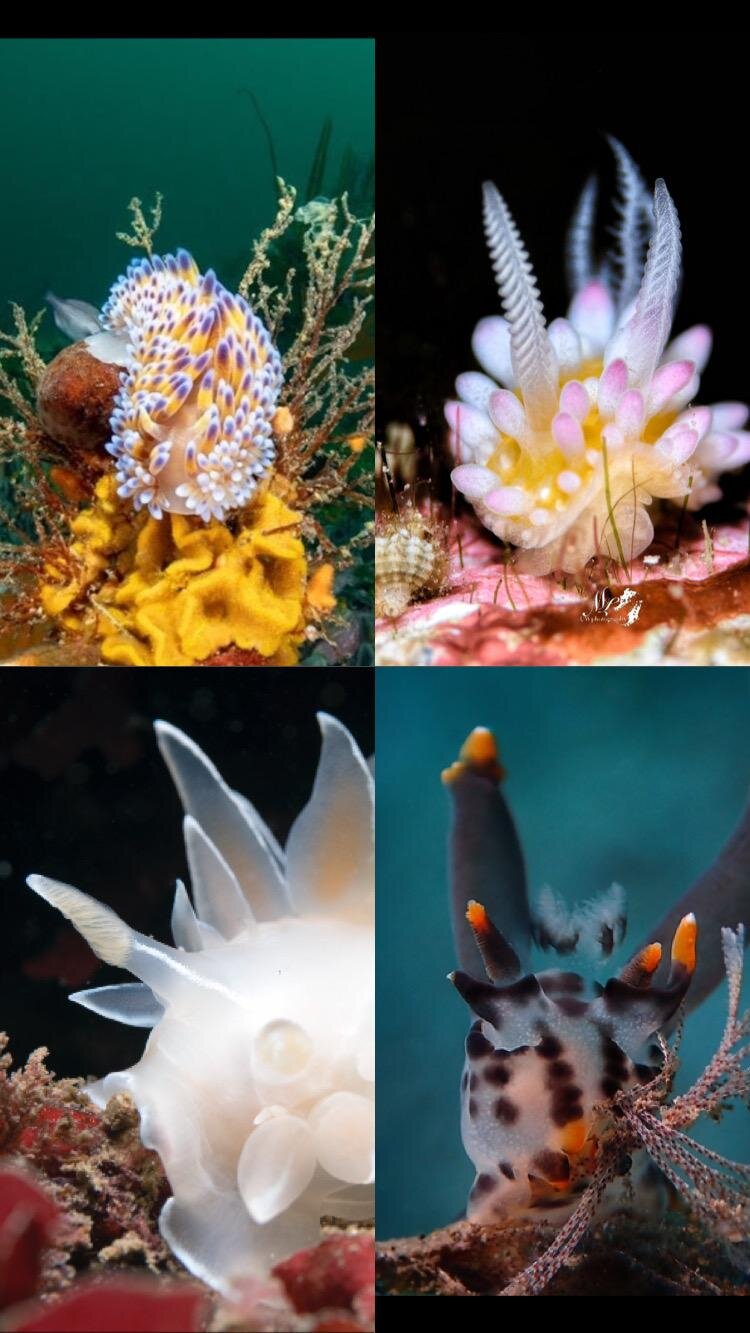
Nudibranchs are a tiny ocean wonder and if you’ve never heard of them, you’re in luck because it’s Nudibranch November! Nudibranchs are a very small, colourful and charismatic species found all over the world - you just need to know where to look to find them. The following four female underwater photographers are seasoned in the art of finding and photographing these special animals.
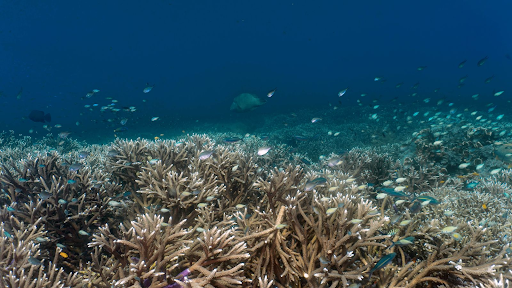
Why should we care about ocean acidification?
Before you begin reading this blog, I would like you to take a few seconds to reflect on the following questions: what does ‘ocean acidification’ mean to you? Do you consider that stressors such as marine plastic pollution need more urgent attention? How visible or invisible is ocean acidification in your life?
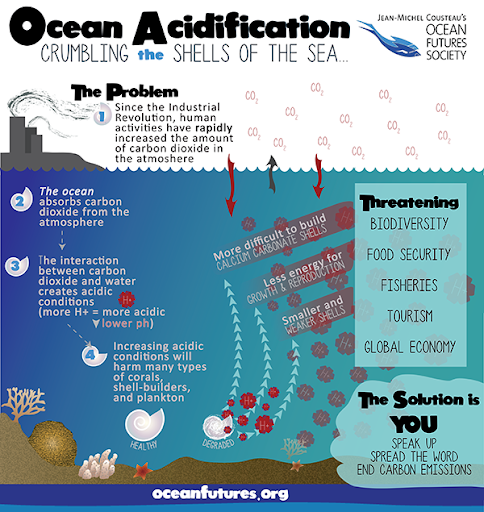
Bye-Bye Bivalves
What covers 75% of the earth and has the ability to deteriorate CaCO3, the same material our bones are made up of? Our oceans!
Here’s the chemistry crash course you didn’t ask for: Acidity is measured in pH on a scale of 0 (most acidic/least basic) - 14(most basic/least acidic). Each number on the scale indicates a 10x difference in acidity or alkalinity. Something with a pH of 1 is 10x less acidic than something with a pH of 0. Liquids become more acidic with the presence of positive Hydrogen Ions (hydrogen with less electrons).

Science and Policy and OA, Oh My! - An Interview with Elly Harrould-Kolieb
Ocean acidification (OA) is a prominent topic in the world of marine conservation. Expert in the science-policy interface of OA, Ellycia (Elly) Harrould-Kolieb spoke to us about her work and experience in this field.
If you would like to have your article featured on our blog - please email contribute@womeninoceanscience.com