
We aim to elevate women’s voices,
research and experiences in marine science.
These are stories from our community that connect and inspire us.
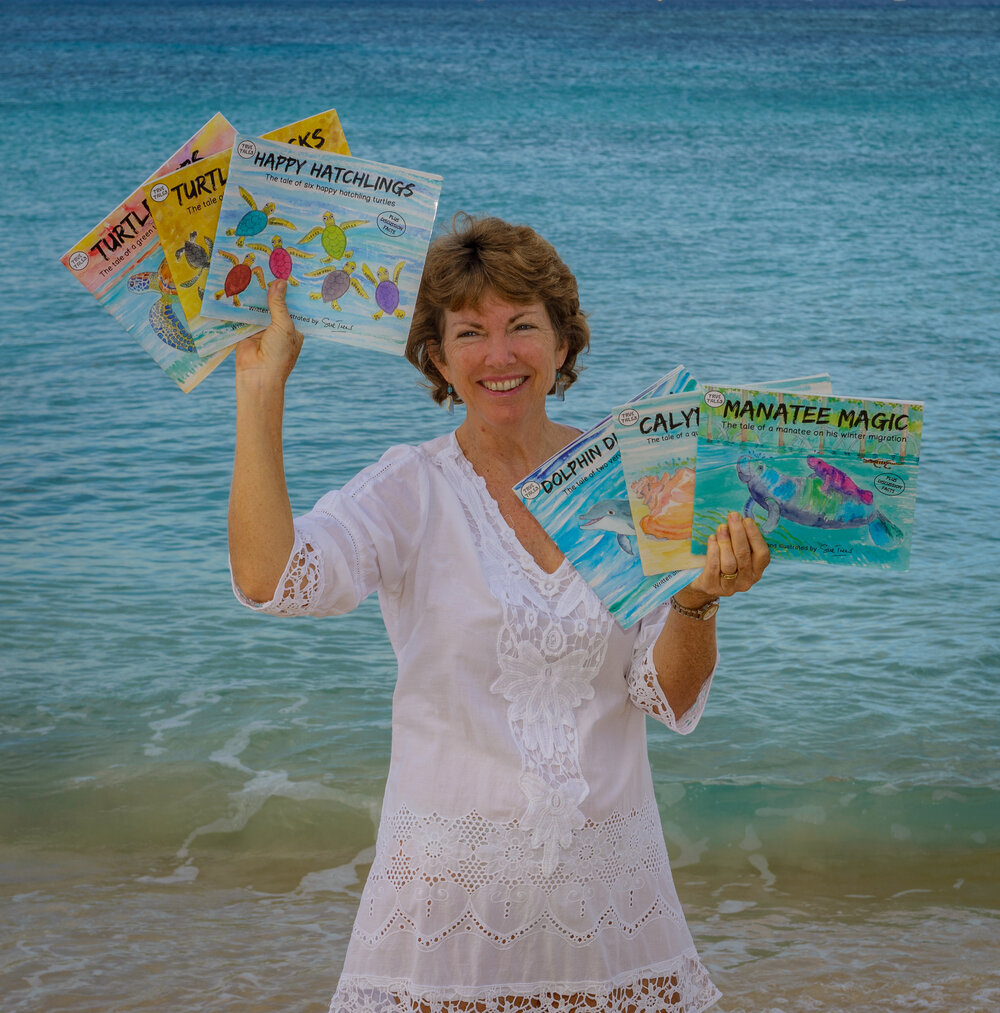
Starting Small: Interviewing Sue Trew, children's author and illustrator
Sue Trew is an author and illustrator who grew up on the islands of Barbados. Inspired by the wildlife she grew up around, she launched her series of children’s books and plushies called Turtle Tracks Family. You can find Trew’s books in zoos, aquariums, and non-profits across where revenue goes back to support their programs. She actively works with partner organizations to write books on specific topics, such as her latest “Gecko Getwaway” sponsored by the Fauna & Flora International.
WELCOME TO THE 2021-2030 UN OCEAN DECADE
Yes! You heard us right!! We are finally here, the 2021-2030 United Nations (UN) Ocean Decade! As we swim into the new year, we are full of hope and excitement for what the future holds. The UN Decade of Ocean Science for Sustainable Development is all about reversing the damage to our planet that has created a decline in ocean health.

Storytelling and Marine Conservation: An Interview with Tales for Gaia team
No matter where you are on Earth, every single person has a story to tell about the lives they live. Stories have the power to connect us to each other and to bring about change. They also have the power to make us more emphatic to what is happening around us. This is the beauty and magic of storytelling! Without it, we wouldn’t be humans.
Using Education to Protect Great White Sharks: A Discussion with Marianne Long
The Atlantic White Shark Conservancy is a Cape Cod, Massachusetts based non-profit organization with the mission to support scientific research, improve public safety, and educate the community to inspire white shark conservation. Marianne Long is the Education Director at AWSC. She works with the Education team to create and deliver education programs that engage the public
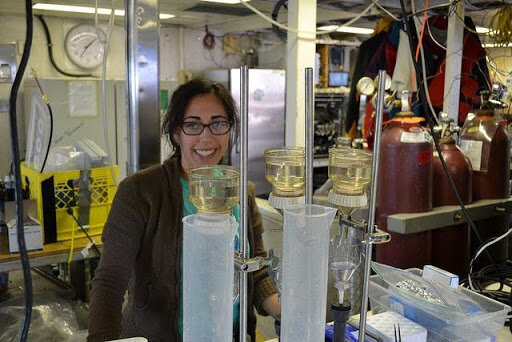
Publication Spotlight – Dinoflagellate metabolism across the central Pacific Ocean
Dinoflagellates are single-celled eukaryotes that are capable of photosynthesis, heterotrophy (eating), or both. They have a few several noteworthy characteristics: they can travel vertically in the water column using their flagella, they are capable of bioluminescence which can light up the ocean at night(!), and some coastal species produce toxins that can harm fish, birds and people.
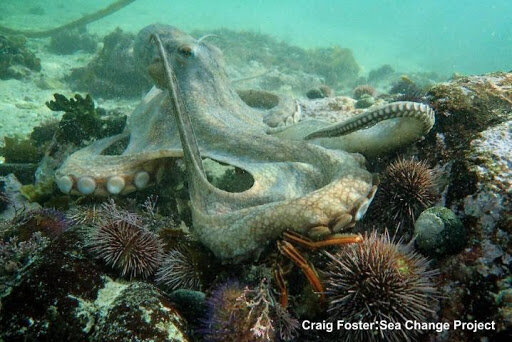
Cephalopod Welfare Ethics and Cognitive Research: Meet Dr Jennifer Mather
Cephalopods, a group of marine Molluscs that includes squid, octopus and cuttlefish are a mysterious and intelligent assortment of invertebrates. Although cephalopods do not come to mind as the ideal laboratory specimen, their distinctive behaviour and intelligence has made them indispensable to research. Meet Dr Jennifer Mather, a University Professor in Psychology from the University of Lethbridge, Canada whose fascination with intelligence in the oceans has led her on an incredible journey into cephalopod welfare, ethics and cognitive research.
If you would like to have your article featured on our blog - please email contribute@womeninoceanscience.com