
This is a Home
Written by Julia Anna Moore
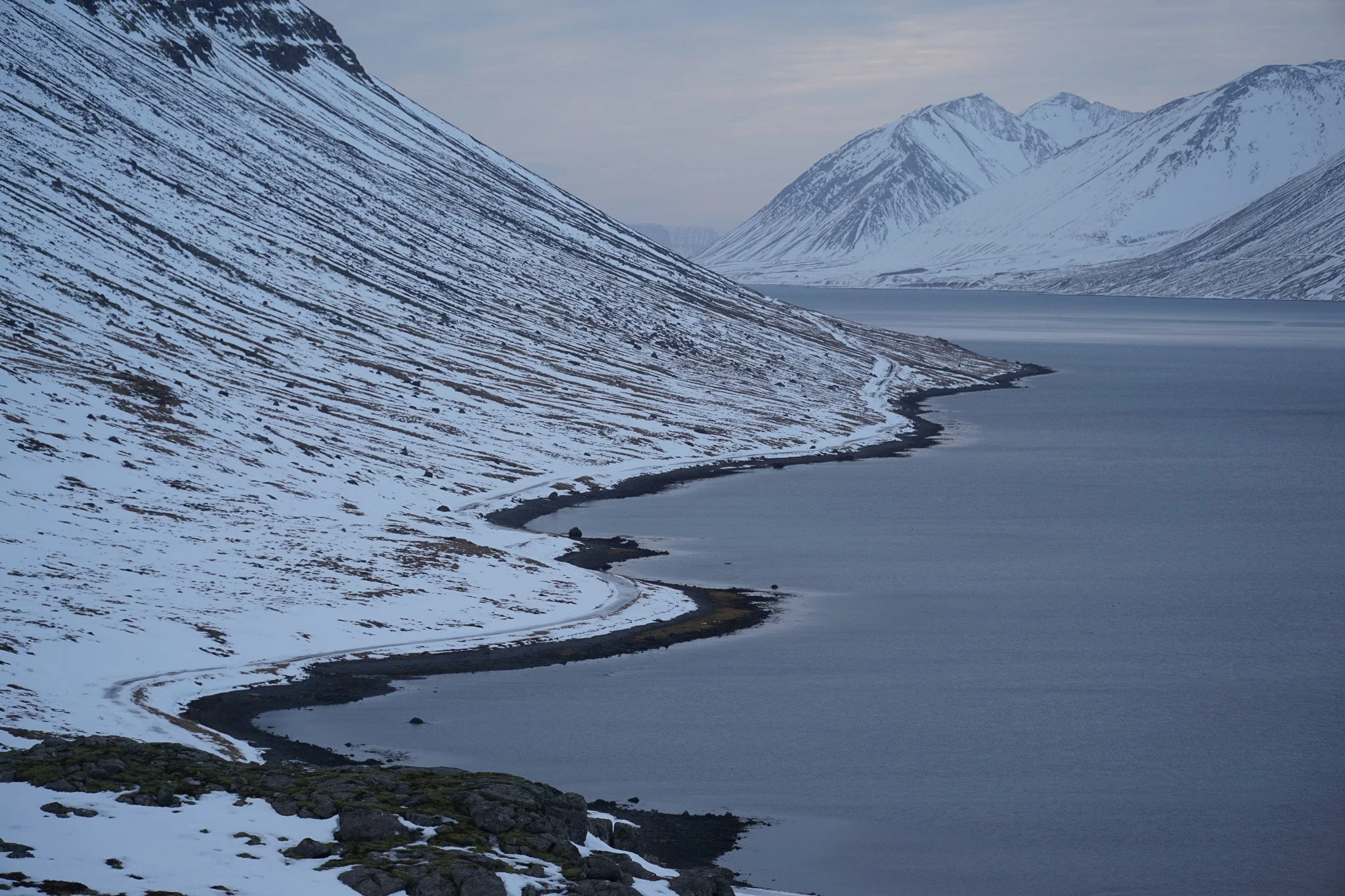
I will never forget the first week I moved to a tiny town in the Westfjords of Iceland. I moved to Iceland to study a climate related masters degree, and the Ocean was right outside my front door which was really the first time in my life that I could touch my doorknob and then be on the beach in less than 30 seconds. I found this to be extremely special and I wanted to bond with this part of the world through being exposed to the Ocean everyday.
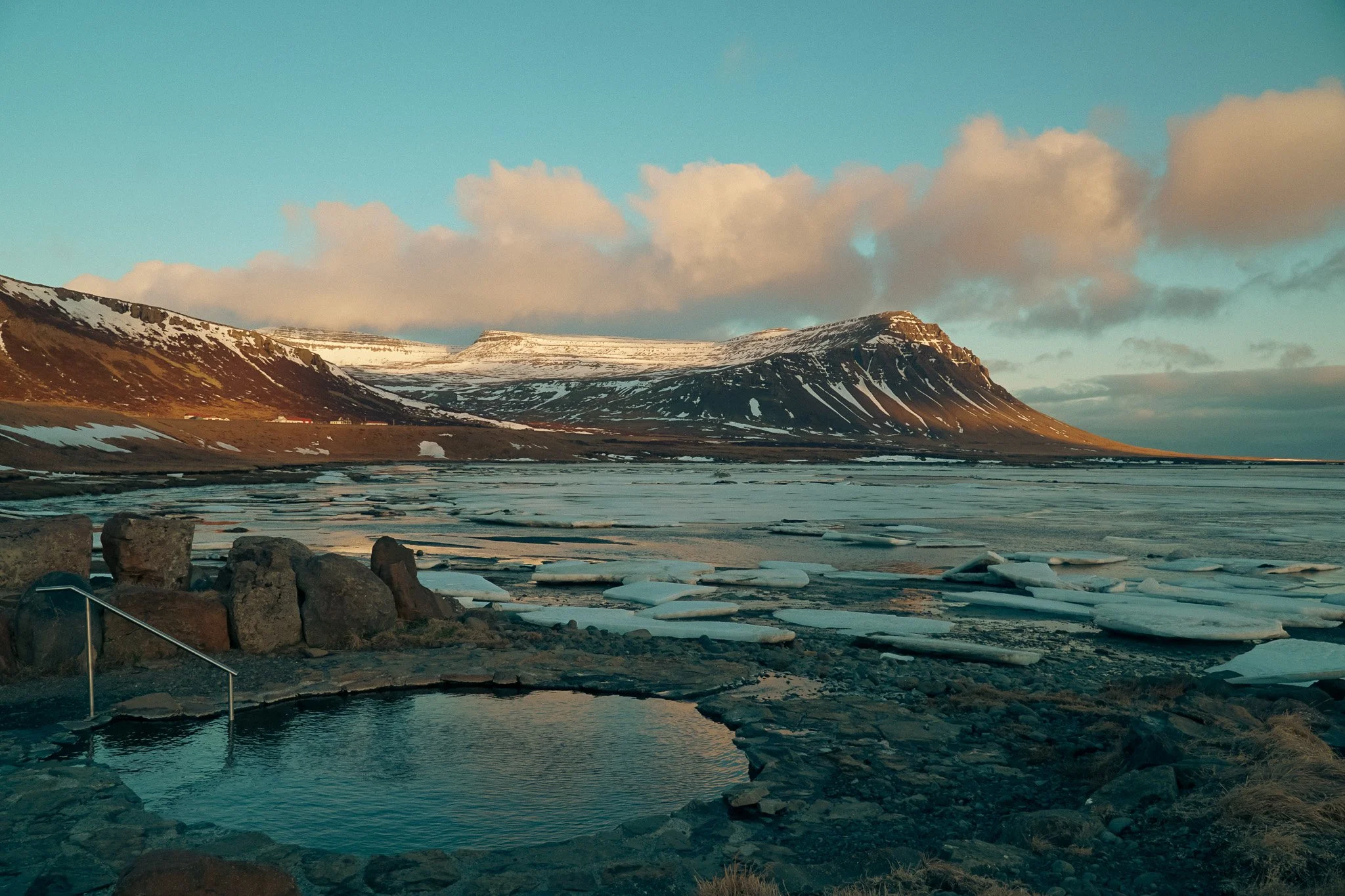
I was minding my own business unpacking in my ground floor apartment when the door suddenly swung open. I stood there in shock when a man with a camera stared back at me in the doorway. A woman stood behind him and she said something aggressive at him in a different language. He slowly closed the door and I could see their shadows moving away through the frosted glass. I waited a minute before poking my head out to look in the street. There were people walking all over the place, from the cruise ship that had landed in the town that morning.
Later during my residency in Iceland, I learned that this was not a one-off experience, and certainly happened in many rural coastal towns. Many people, Icelanders and not, have had similar interactions. Some people’s yards and front doors have signs that say something like “This is a Home.” It seems that when some people travel, they completely forget that they are entering someones real lived space. It’s a phenomena that is apparent all over Iceland, and I bet in many parts of the world.
Sometimes on cruise ship days, it felt like I lived in Disney World and I was part of the exhibit, with a Mickey Mouse head and all. I have the curse of being a blonde, and tourists fully expect me to be Icelandic. When I open my mouth with my American accent, I get one of two reactions: disappointment, or “wow your English is so good!” It takes everything in me to not allow my eyes to roll into the back of my head. Maybe its a problem in how tourist companies market these places that are people’s homes. Maybe is the perception of how could someone live in such a ‘cold and unforgiving place?’ Maybe people just don’t pay attention. Or it’s more like ‘oh my gosh, this house is so cute, I bet its a museum!’ Either way, tourist perceptions often feel like rural small towns are a caricature for their pleasure.
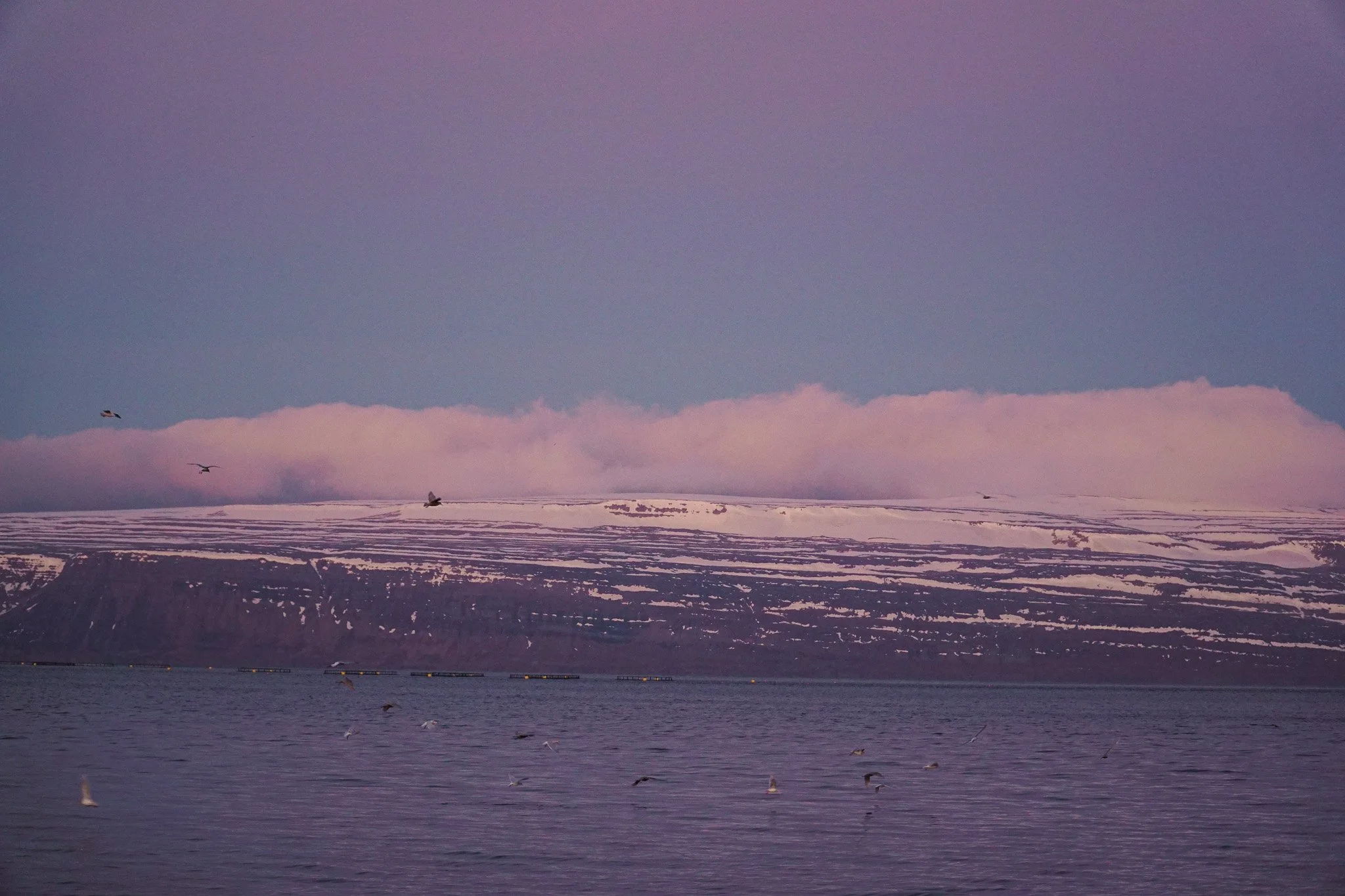
Now, it seems that there is a fine line between wanting to bring economic progress to a small town, and feeling like it’s too much. Some days, the residential population of ~2,000 hides in their homes as ~6,000 to ~10,000 people swallow the streets on their way to excursions and the only three coffee spots in town. The energy is palpable when five o’clock hits and the cruise ships have left the fjord. People come out for their afternoon sunshine beers, go ride bikes, and the children go climb the roof of the school as free as they can be. It’s almost like the town has to pay an absurd troll toll all summer long to the tourists but still cannot get an essential two-way tunnel built through the mountains by the government.
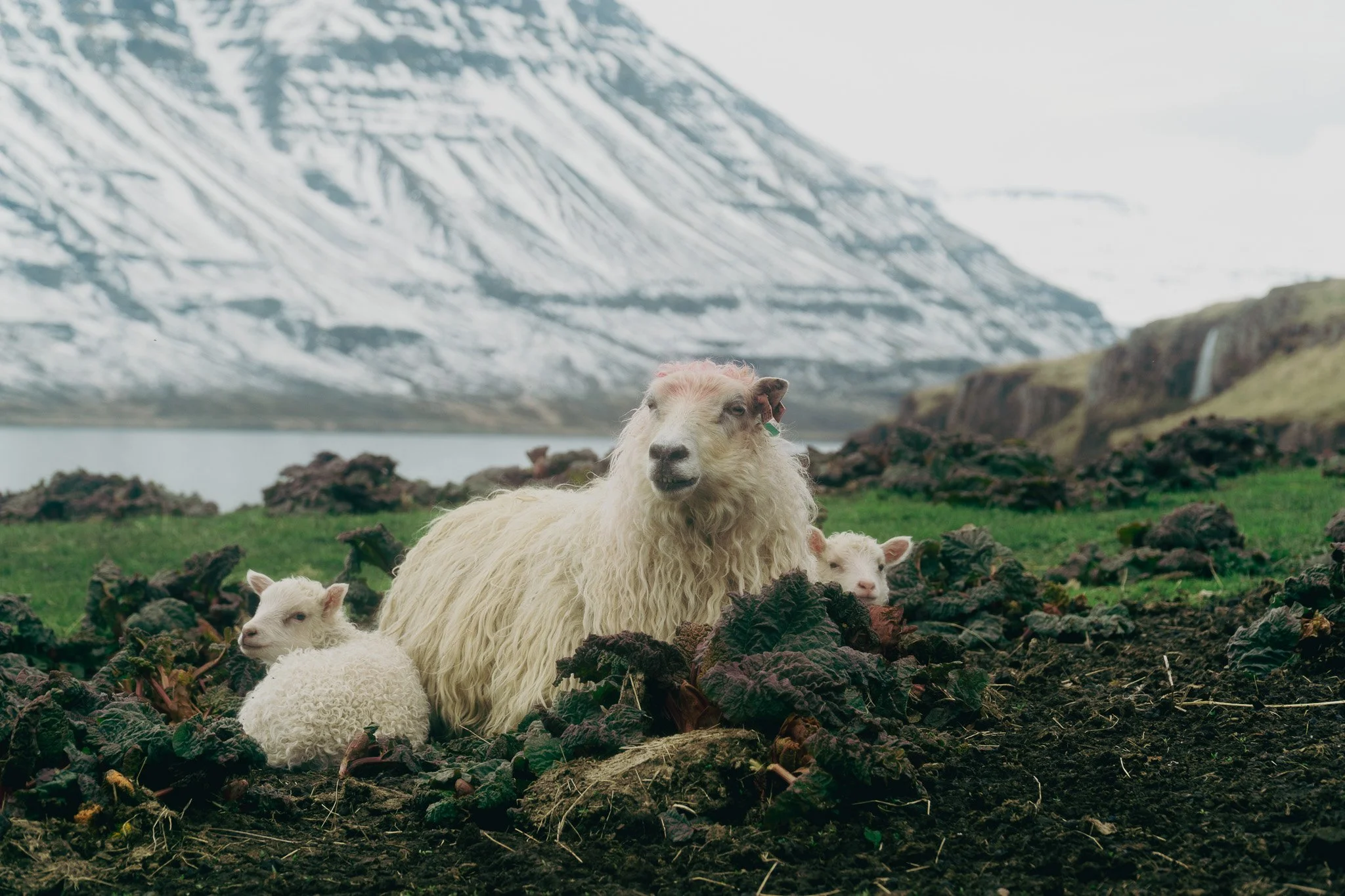
Some people will say its economic progress, some people will say that the Icelandic government has sold out. Some people try to point out how poor many people were in the past in Iceland, and that we should all be thankful. Some people think that they should take advantage of the tourists while they can because some countries will be popular only for a certain amount of time. Some people are worried about their sheep and the whales. Some people shoot seals on sight. Some people want us to rely on fisheries more but those have also sold out to Norway. Some people move away to the big city because the small towns have limited jobs. Nevertheless, everyone seems to be interconnected with nature in some capacity though, because of the closeness to the beauty and hostility of the outdoors, especially in the winter when the cruise ships and tourists have gone.
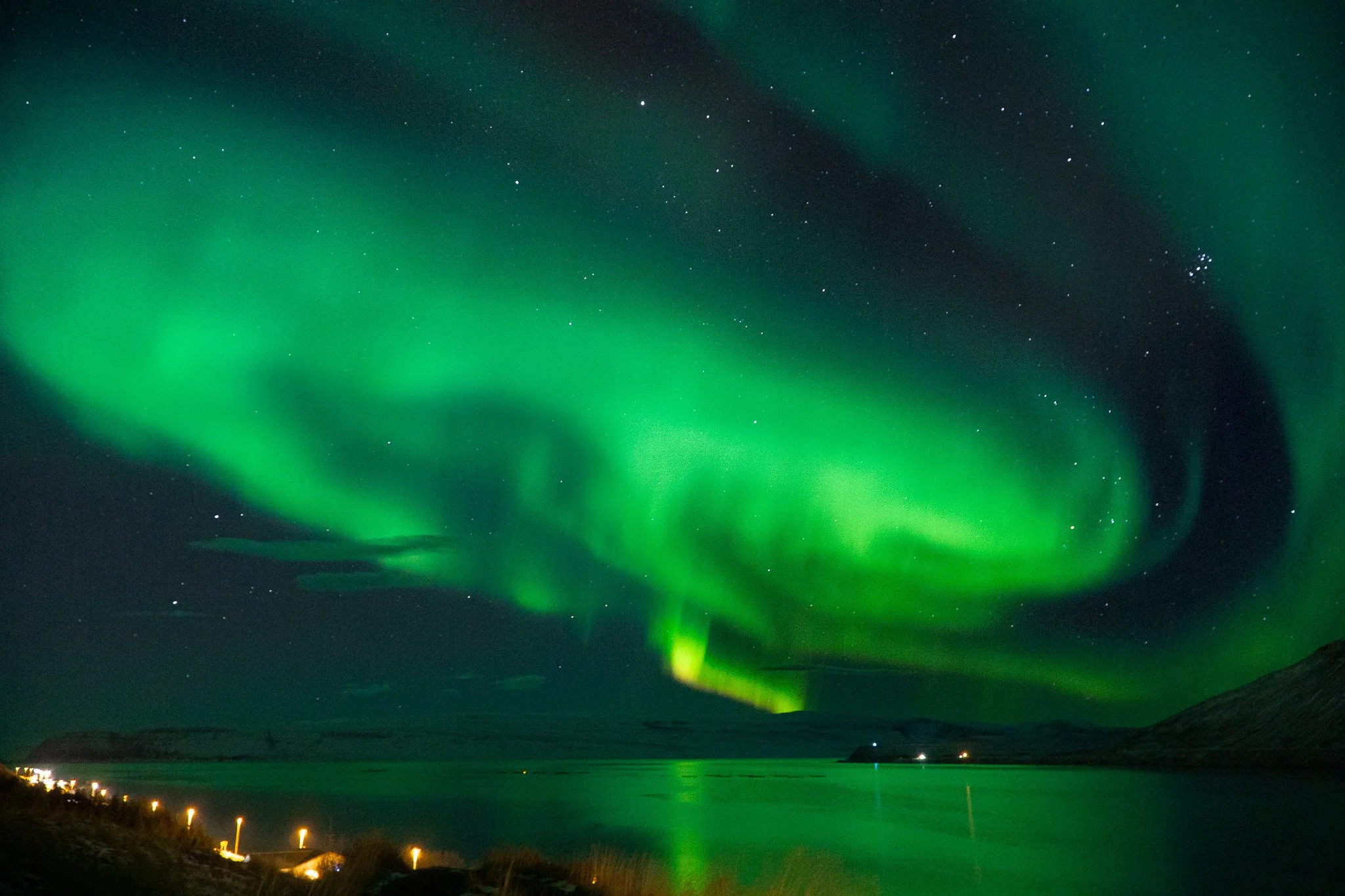
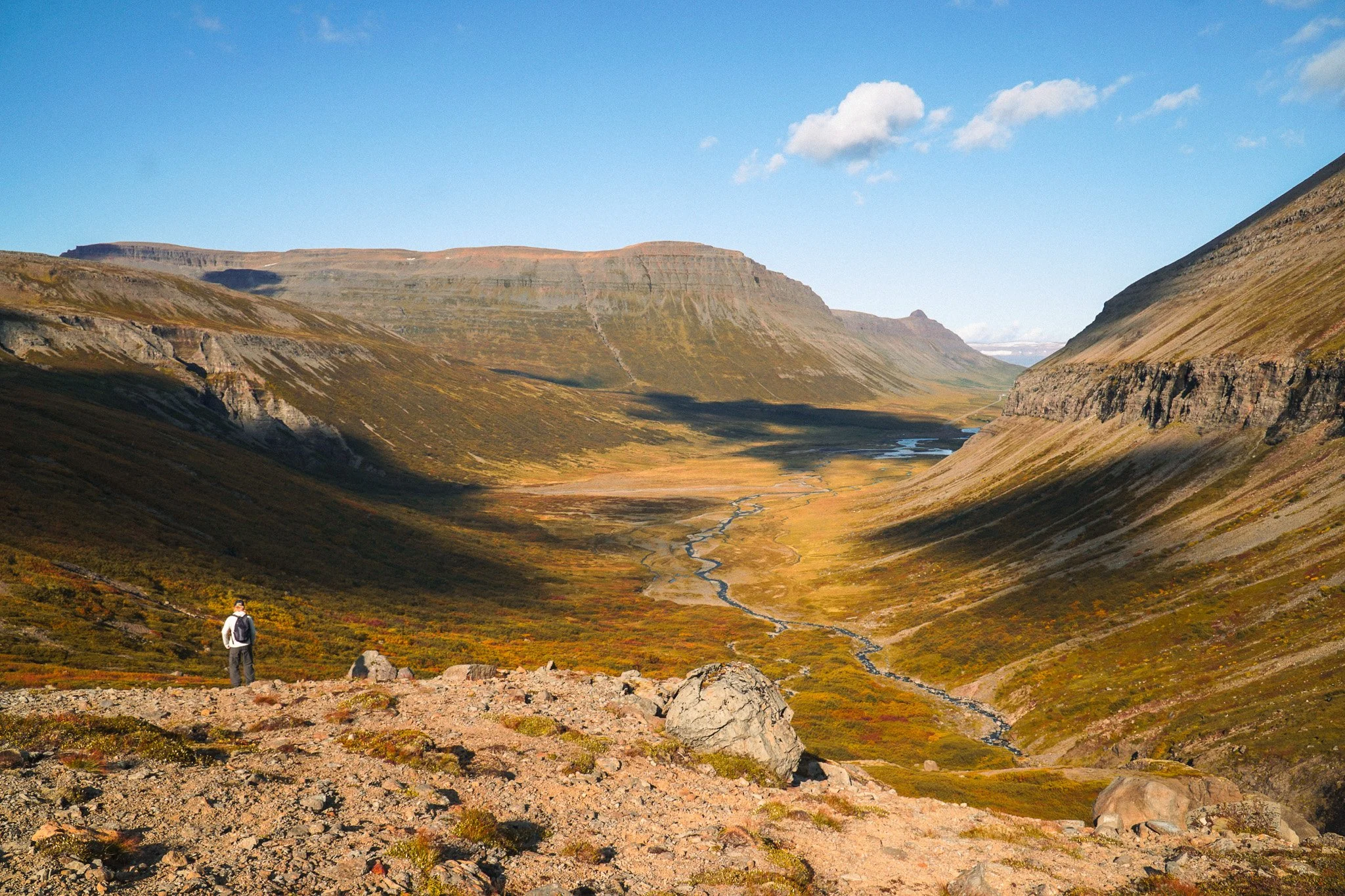
The winters are getting noticeably warmer even though we are a mere forty-ish kilometers from the Arctic Circle. The weather patterns are violent and confusing. Snow begins in August and September atop the mountains before moving the ptarmigans down into the valleys, and forcing the blueberry and bilberry bushes to turn into fiery colors. Huge dumps of snow come with the polar night, but then January rains wash away all the snow. Then another dump of snow, and probably another rain, all come with massive winds and avalanche danger. Families temporarily move into their friend’s and relatives homes while avalanche danger passes. Then comes spring, but do not be fooled, it could still be windy and cold. Tourism season looms.
All through these seasons, the Ocean sits outside everyone’s front doors. The Ocean brings the tourists on the floating hotels and they spill out into our streets completely unaware that this is home for some people. It truly is a perfect metaphor for how we treat the Earth and Ocean. We forget that we are interconnected, that the Earth provides for us. We forget that people in the place we are visiting are people too. We take over and over, not thinking of the consequences; not thinking that we are making anyone angry. The West has driven people into individualism so hard, that we forget empathy and understanding for how someone may feel if we disturb and disrupt over and over. So next time you are in a foreign place, remember that nature and people DO deserve a mere thought. If we continue to forget, we will destroy ourselves in the process.
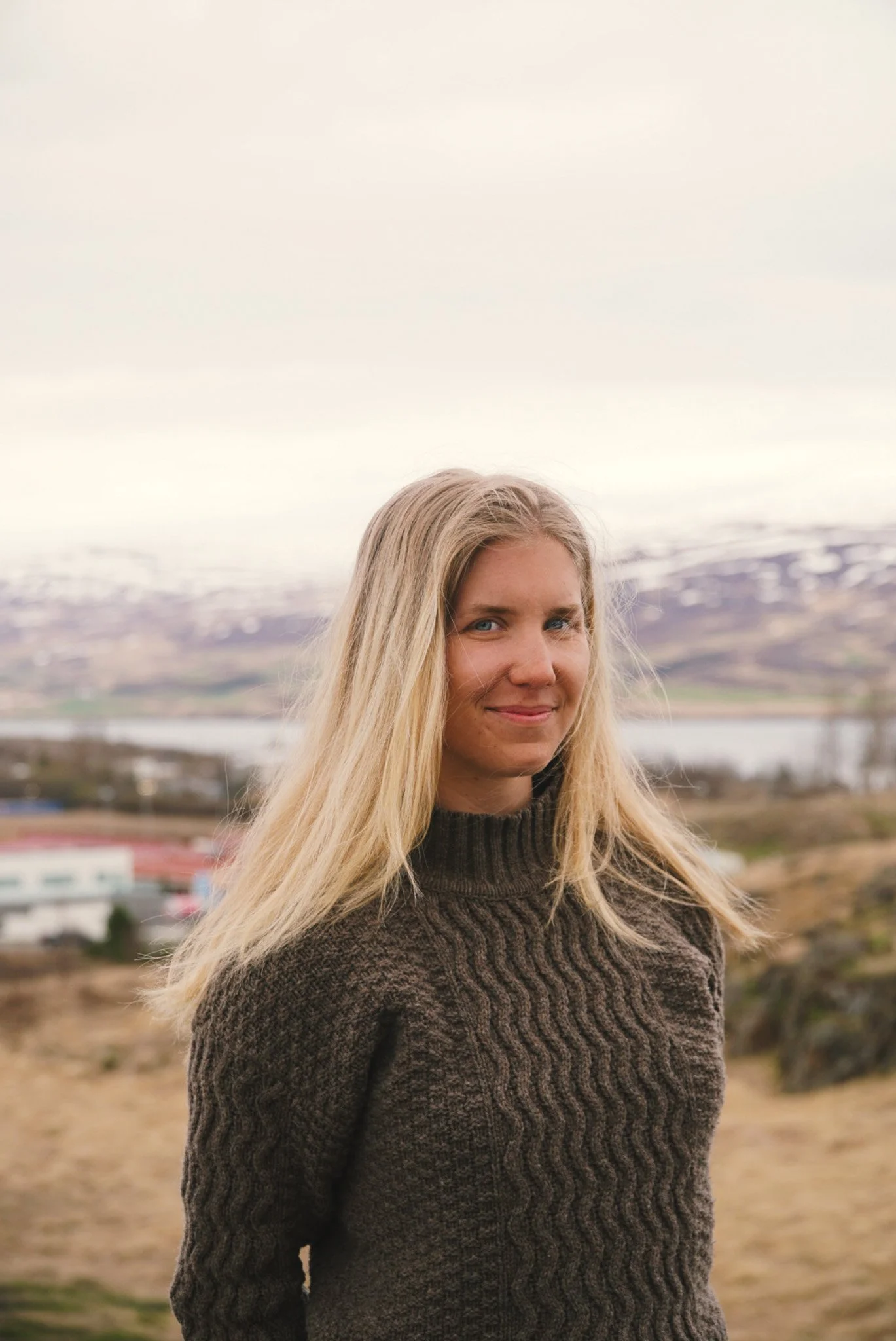
Julia Anna Moore
Julia Anna Moore is a lifelong landscape photographer, skier and paddler from Statesville, North Carolina. From 9-5, she works in trail conservation, with a master’s in coastal communities and regional development. She has researched salt marshes, recreational spaces, social perceptions in the US and Iceland. She has her own business being an expedition/trip photographer and art gallery curator. You can find her work on solivagantjules.com. On the weekends she likes to chase the swell or go biking.