
We aim to elevate women’s voices,
research and experiences in marine science.
These are stories from our community that connect and inspire us.
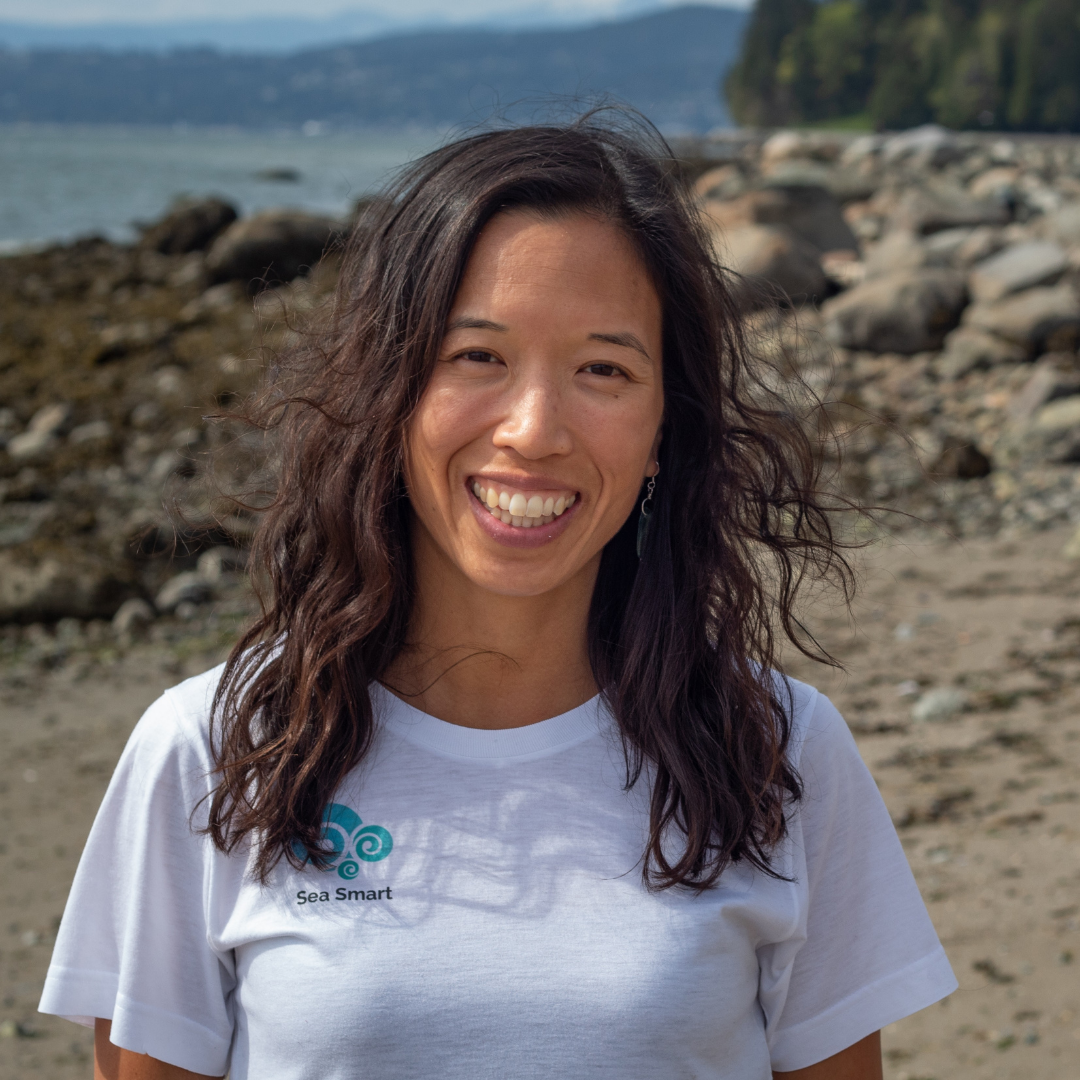
Becoming “Sea Smart”: An Interview with Dr. Elaine Leung
Some people know right away that they want to be a marine biologist. Others may shy away for one reason or another at first, and then become an influential part of the marine science community. Dr. Elaine Leung falls into the latter category--her excellence in the field seemed unlikely at first, as she is prone to seasickness! Luckily for the Women in Ocean Science community and beyond, she has pushed through the initial apprehension and now has over fifteen years of experience researching threatened marine animals--especially top predators--and worked with many global stakeholders to protect species based on her findings.

Working with community fisheries to influence change: Meet Dr Joanna Alfaro Shigueto, a Peruvian Marine Biologist
Meet Dr Joanna Alfaro Shigueto, director and co-founder of ProDelphinus, a non-profit organisation in Peru that works with fishing communities, researchers and the government to protect sea turtles and marine fauna to reduce by-catch. She is an incredible scientist and mother of two (Kenzo and Jake) who has worked in marine conservation in South America for over 25 years!
Lonely Conservationists
She introduced me to the Lonely Conservationist platform, run by Jessie Panazzolo. I immediately followed the account and downloaded her book, Conserving Conservationists. I gobbled it up in less than 48 hours and knew I needed the WMC and WOS community to hear about her work.

Marine Palaeontology: An interview with Dr. Leanne Melbourne
Numerous environmental changes have been observed in our oceans in recent years due to the increase in anthropogenic CO2 in the atmosphere. This in turn leads to ocean acidification and warming waters, phenomena that cause detrimental effects to marine organisms and their survival. Calcifying organisms are particularly at risk to these changes as it significantly reduces their ability to calcify, a vital process in which they create their hard shells or skeletons. Meet Dr Leanne Melbourne, a Marine Palaeontology lecturer at the University of Bristol whose research focuses on how these environmental changes affect the structural integrity of marine calcifiers through time.

A Story of the North: Memoirs of a Whale Watching Guide
I think it is what I liked the most about being a whale watching guide. Being directly on the frontline between science and ‘real life’.”
My last two summers were spent where I like to be the most - by the ocean, or even better, on the ocean.

Blue Seawalls: Using Artificial Structures to Support Biodiversity
Compared to our knowledge of the terrestrial environment, the ocean remains enigmatic; a vast, relentless mystery, the depths of which we understand less than the surface of the Moon. Serene though they may appear, coastlines the world over are being remodelled and redesigned to suit the needs of a growing human population, through the addition of artificial structures.
If you would like to have your article featured on our blog - please email contribute@womeninoceanscience.com