
A ‘Day in the life’ of a Field Scientist
Featured
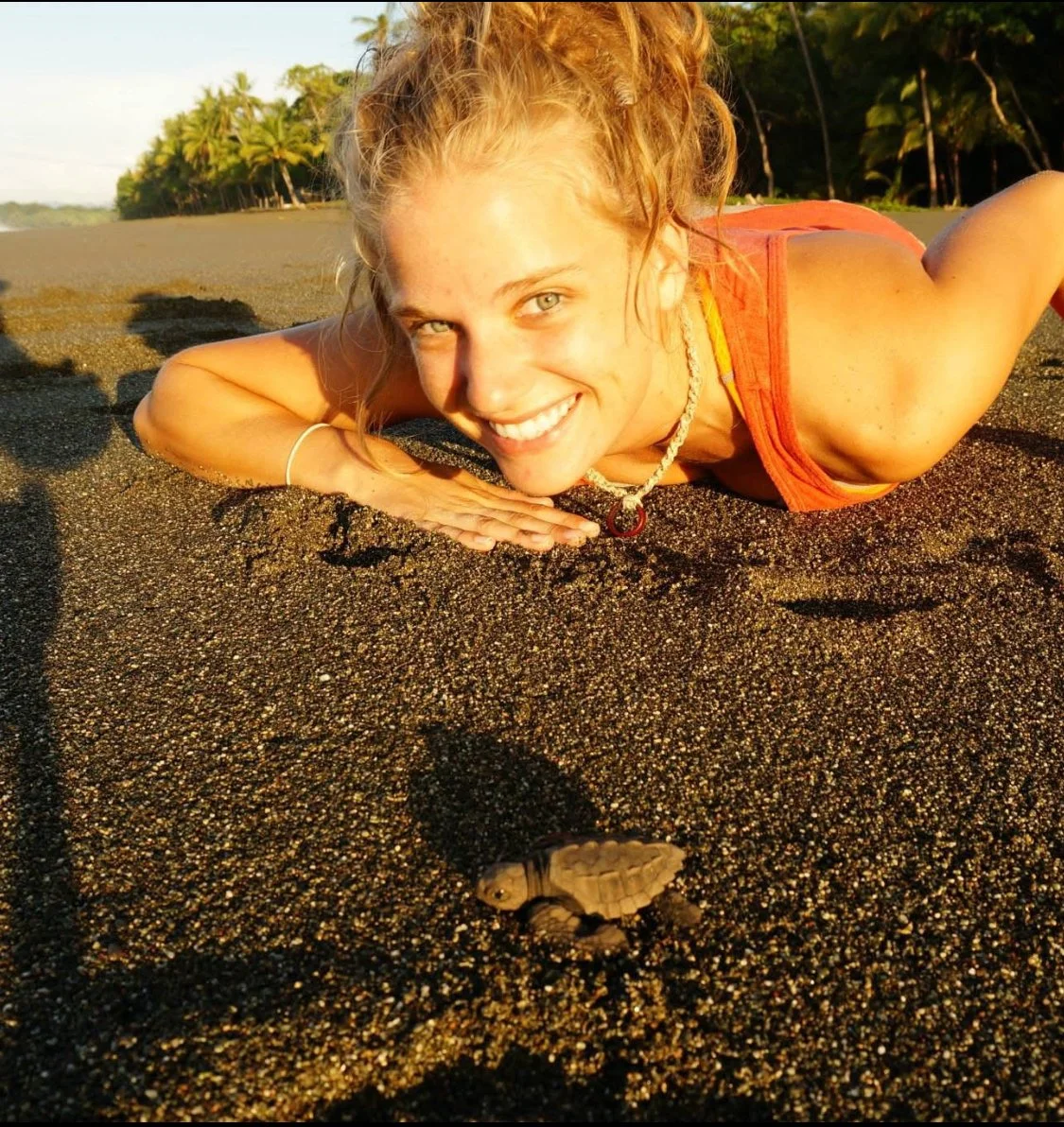
Every time a turtle was washed back by the first wave, it would be covered in glowing phytoplankton. After a while, the whole beach became a sight of bioluminescent-covered turtle hatchlings.
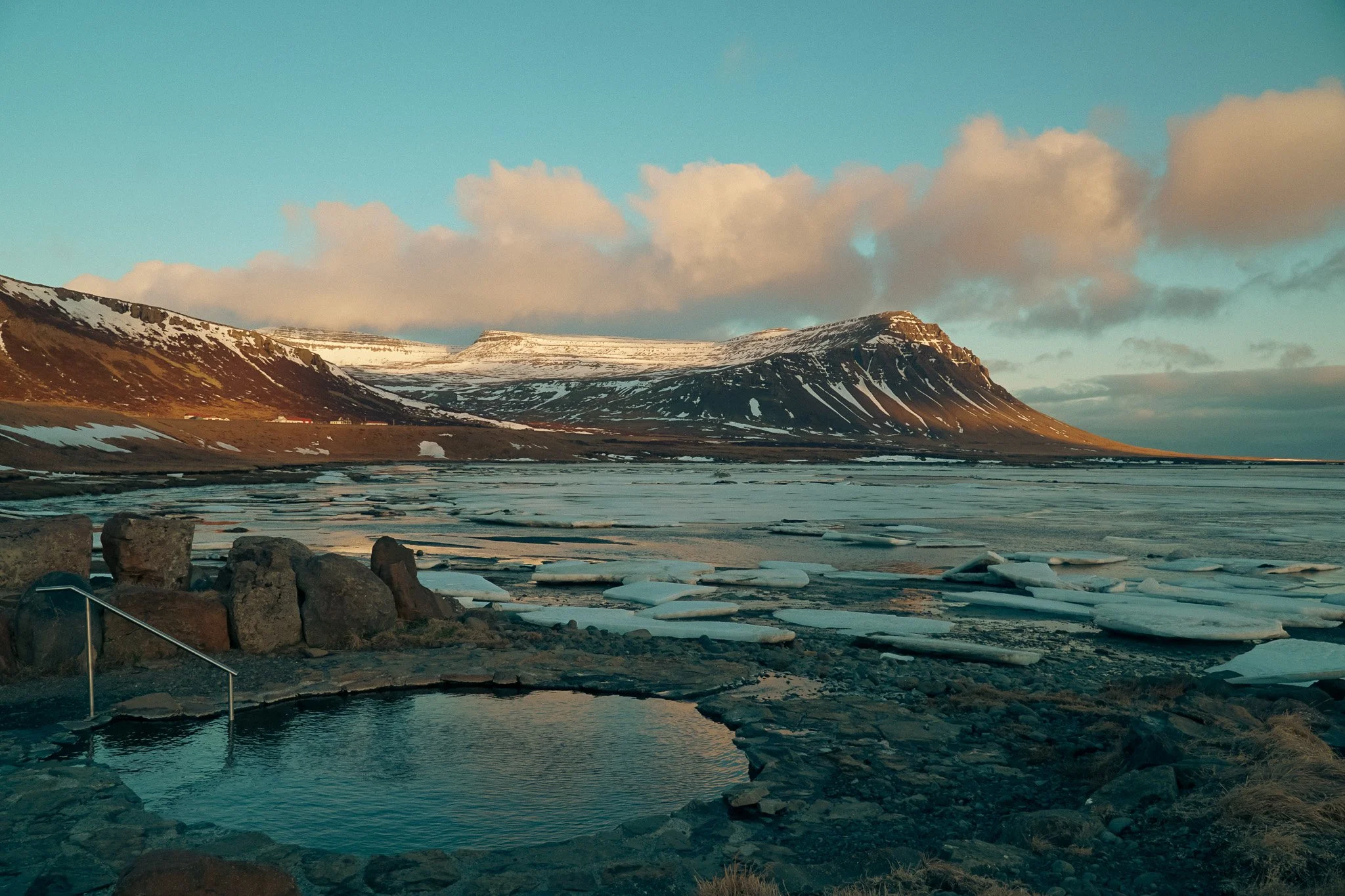
We forget that we are interconnected, that the Earth provides for us. We forget that people in the place we are visiting are people too.
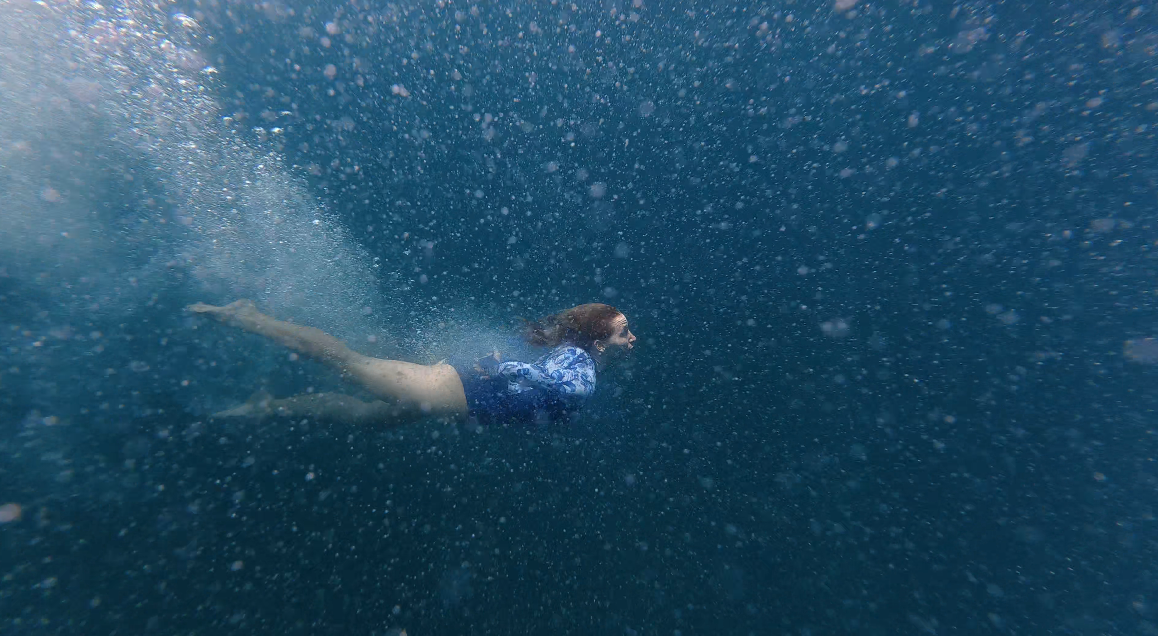
We had just begun moving toward the deeper blue when something quite eerie and unsettling started to unfold before my eyes. A white object was swaying in the depths. At first, I thought it was a white plastic bag sinking. But I quickly realised that a plastic bag is too light to sink so rapidly, unless tides and currents were stagnant.
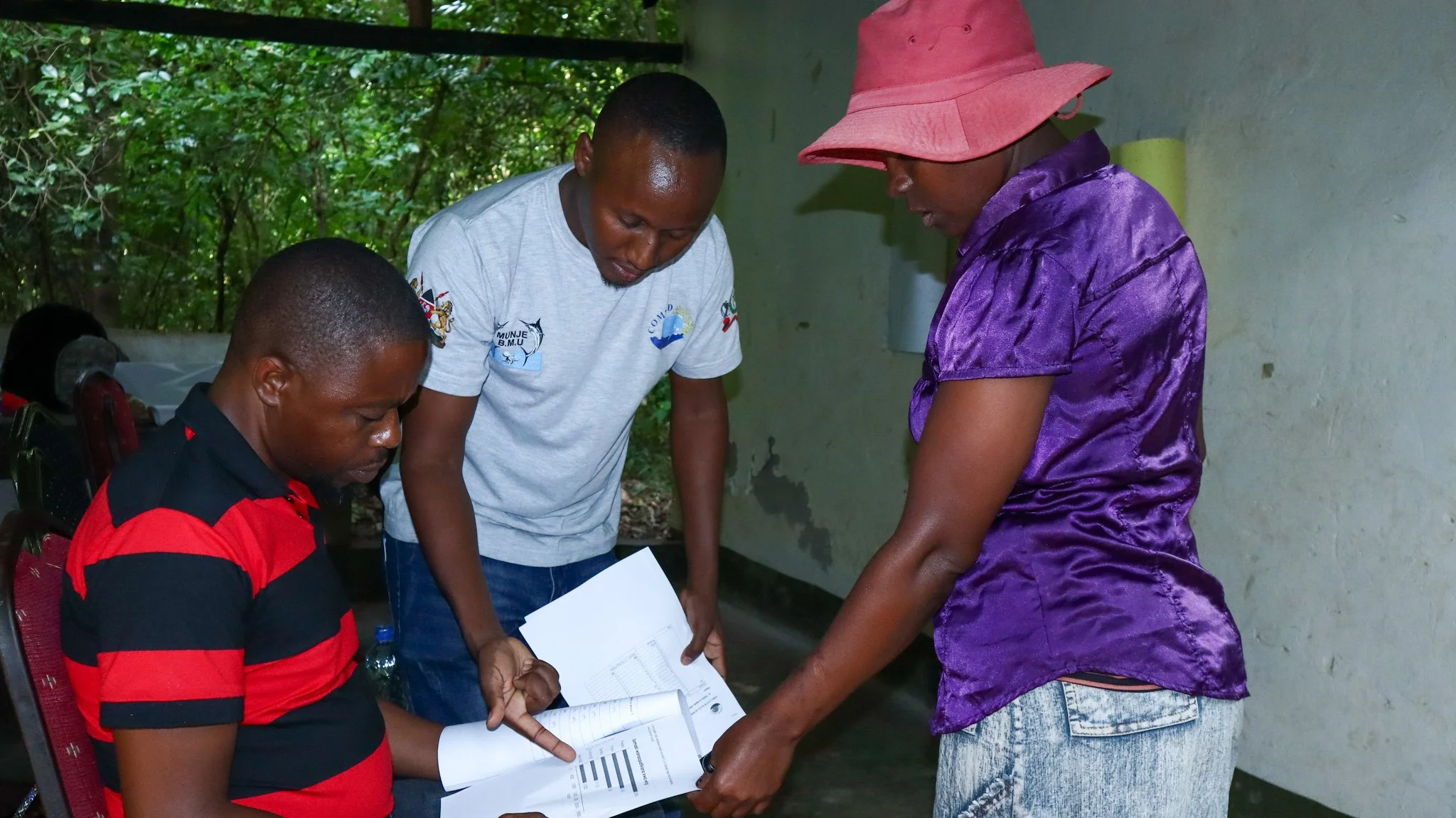
In a world where community knowledge often goes undocumented, Purity is not just collecting data, she’s rewriting what the coastline looks like.
Documenting the sea is not only about science, nor only about poetry. It is about presence. To let the ocean speak in numbers, textures, and colors, and to allow those expressions to transform into responsibility.