
Marine Species Scientists
Explore our interview series with female marine species scientists below.
Featured








Explore our interview series with female marine species scientists below.
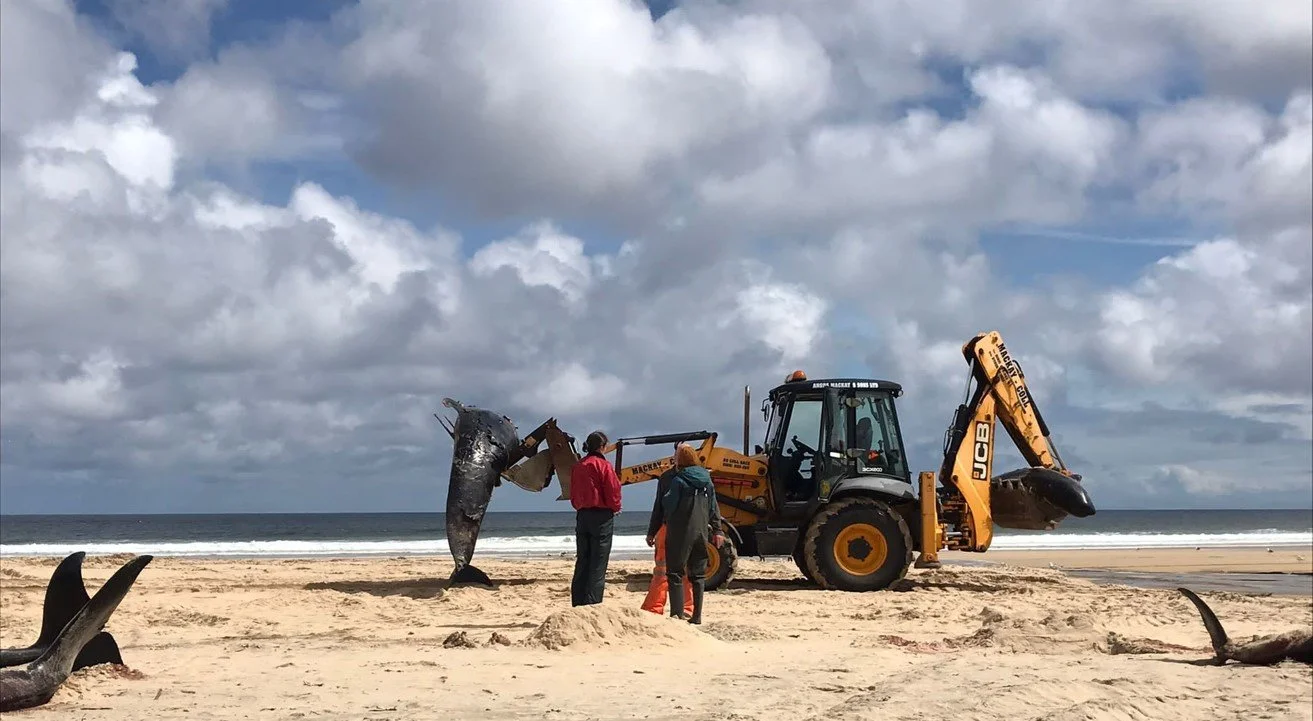
In the marine world, even basic information like sex or age is hard to obtain from live animals. Strandings offer a rare opportunity to access this information, and post-mortems offer an even deeper dive into health, diet, pollutant exposure, past trauma, reproductive history, family connections, and more.
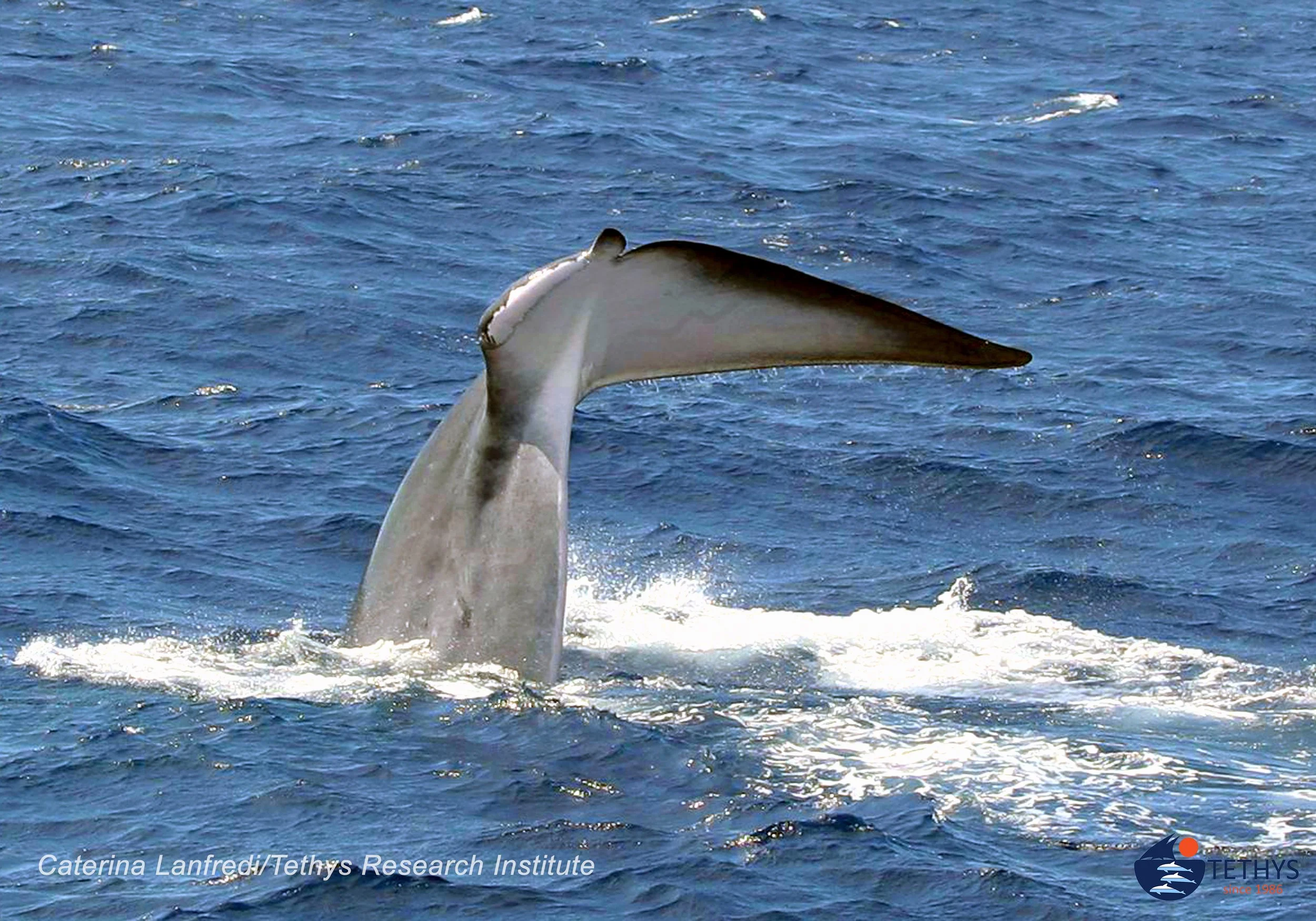
She was instantly recognizable for two reasons: unlike other fin whales that visit the area mainly in summer during their feeding season, she would lift her tail out of the water when diving. And most notably, of her two flukes, one was almost entirely missing. But that was only the beginning of the story of “Codamozza”.
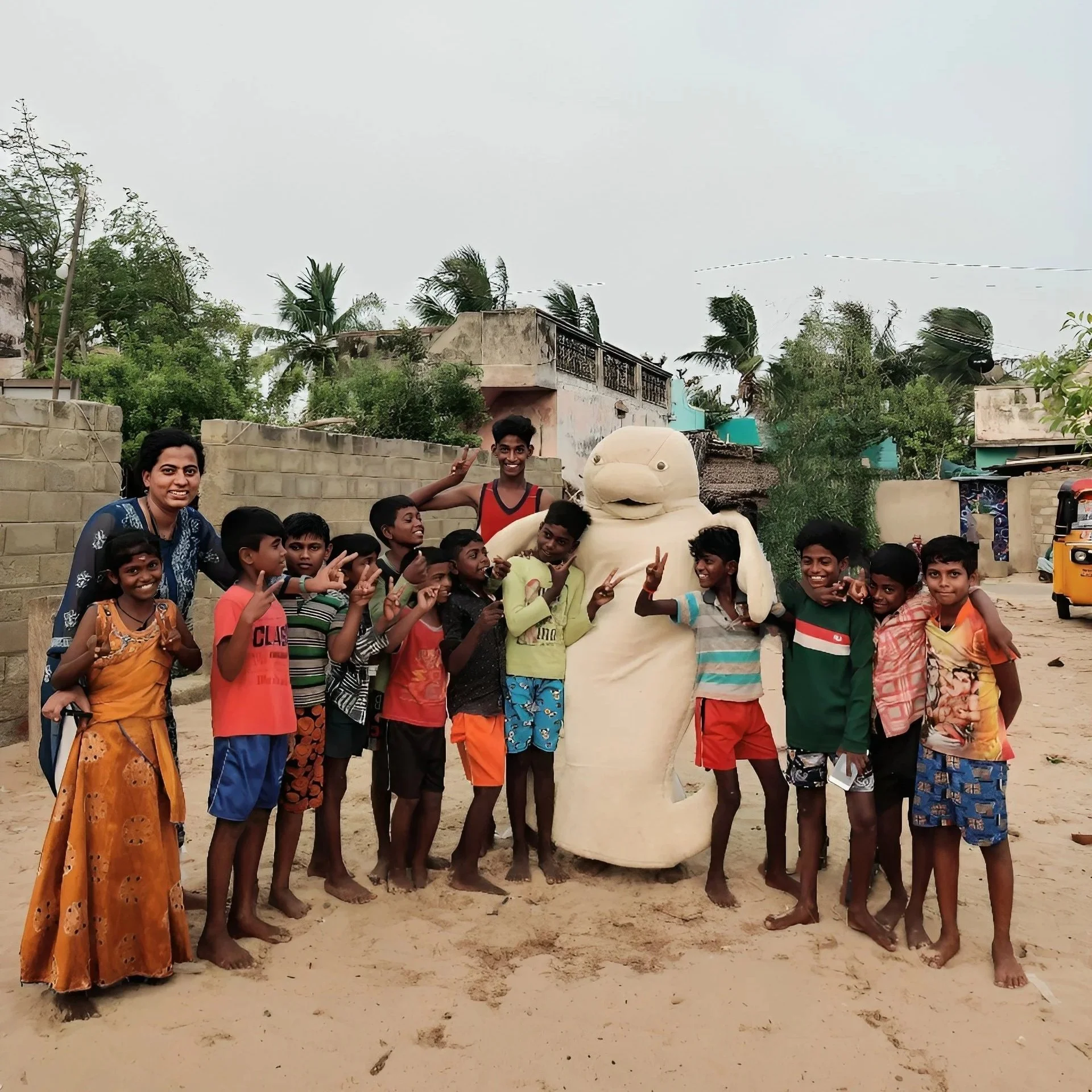
Conservation was not just about protecting a species; it was about ensuring that people, nature, and livelihoods coexisted sustainably. From a single rescued dugong to a full-fledged government recognition program, from sceptical fishers to community-led conservation, and bare school walls now featuring paintings of dugongs in their ecosystems—this journey has shown me that even the smallest efforts can ripple into something remarkable.
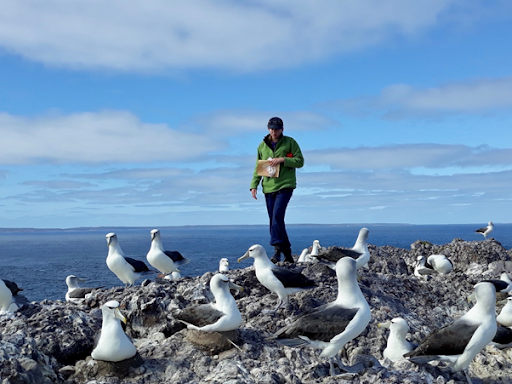
In grade 9 biology, I wrote a research report on the behaviour of albatross – a bird I had never heard of before but was intrigued by because they looked like my pet ducks. I was absolutely blown away by them! I headed off to the big smoke (Brisbane) to study environmental science when I was 17. After a lot of study, some persistent nagging, and with bucket-loads of guidance and support from great scientists and people, I am now coming to the end of my PhD studying a threatened Australian species, the shy albatross.
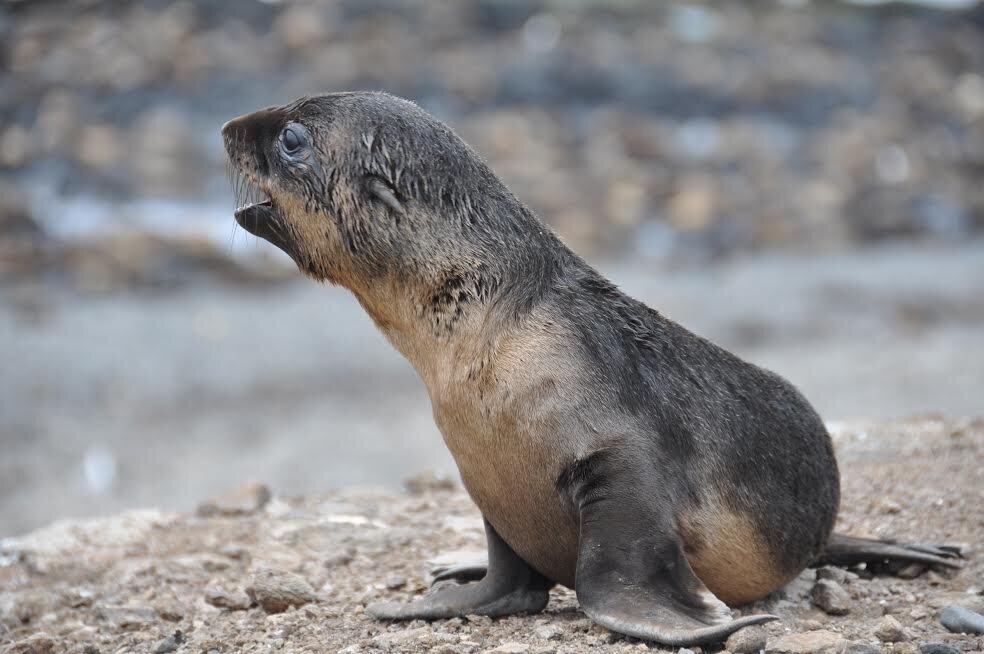
I first came in contact with Mariel Fulham through my piece called “Fire Retardant Fur Seals: A Team Interview”. She was involved in a project that detected the level of fire retardant chemicals in three pinniped species of southern Australia. One of these species, the Australian Sea Lion (N. cinerea) is endangered AND endemic with only ~6,500 breeding adults remaining.
Nothing has caught my eye in the same way that “Firefighting chemicals found in sea lion and fur seal pups” did on my monthly google search for blog topics. The real paper is called “Per and polyfluoroalkyl subtances (PFAS) at high concentrations in neonatal Australian pinnipeds”. Researchers from the University of Sydney analyzed levels of PFA’s found in three pinniped species: Australian Sea Lion (N. cinerea), Australian Fur Seal (A.p. doriferus), and Long-nosed Fur Seal (A. forsteri). PFA’s (identified as PFOA’s and PFOS’s through out the article) are fire retardant chemicals that can be found in products such as fire fighting foams, “stain repellents, polishes, paints and coatings”.
Research has shown that dolphins exhibit a variety of social behaviours within their pods, although their communication systems have been studied extensively, there is still much to learn. Meet Emma Chereskin, marine mammal scientist completing her Masters degree at the University of Bristol who studies sociality and vocal communication in Indo-Pacific bottlenose dolphins.
Meet Dr Joanna Alfaro Shigueto, director and co-founder of ProDelphinus, a non-profit organisation in Peru that works with fishing communities, researchers and the government to protect sea turtles and marine fauna to reduce by-catch. She is an incredible scientist and mother of two (Kenzo and Jake) who has worked in marine conservation in South America for over 25 years!
Numerous environmental changes have been observed in our oceans in recent years due to the increase in anthropogenic CO2 in the atmosphere. This in turn leads to ocean acidification and warming waters, phenomena that cause detrimental effects to marine organisms and their survival. Calcifying organisms are particularly at risk to these changes as it significantly reduces their ability to calcify, a vital process in which they create their hard shells or skeletons. Meet Dr Leanne Melbourne, a Marine Palaeontology lecturer at the University of Bristol whose research focuses on how these environmental changes affect the structural integrity of marine calcifiers through time.
The Atlantic White Shark Conservancy is a Cape Cod, Massachusetts based non-profit organization with the mission to support scientific research, improve public safety, and educate the community to inspire white shark conservation. Marianne Long is the Education Director at AWSC. She works with the Education team to create and deliver education programs that engage the public
Dinoflagellates are single-celled eukaryotes that are capable of photosynthesis, heterotrophy (eating), or both. They have a few several noteworthy characteristics: they can travel vertically in the water column using their flagella, they are capable of bioluminescence which can light up the ocean at night(!), and some coastal species produce toxins that can harm fish, birds and people.
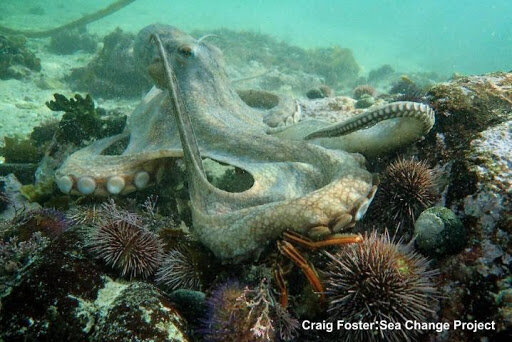
Cephalopods, a group of marine Molluscs that includes squid, octopus and cuttlefish are a mysterious and intelligent assortment of invertebrates. Although cephalopods do not come to mind as the ideal laboratory specimen, their distinctive behaviour and intelligence has made them indispensable to research. Meet Dr Jennifer Mather, a University Professor in Psychology from the University of Lethbridge, Canada whose fascination with intelligence in the oceans has led her on an incredible journey into cephalopod welfare, ethics and cognitive research.
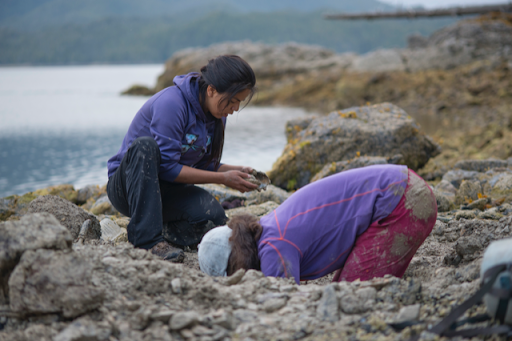
At least 3500 years ago, along the Northwest Coast of North America, coastal First Nations developed a highly productive and sustainable mariculture technique known as clam gardens. We had a conversation with Anne Salomon and Dana Lepofsky, professors and researchers at the Simon Fraser University (Canada).
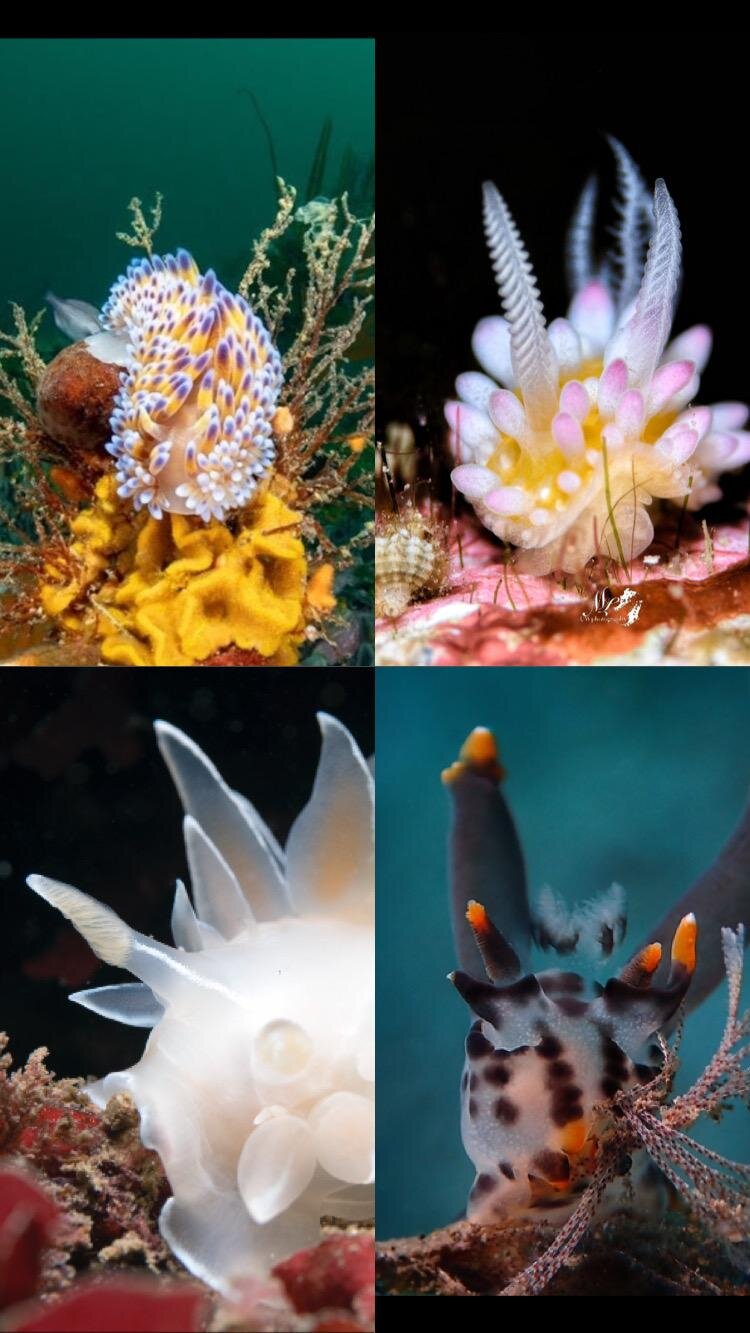
Nudibranchs are a tiny ocean wonder and if you’ve never heard of them, you’re in luck because it’s Nudibranch November! Nudibranchs are a very small, colourful and charismatic species found all over the world - you just need to know where to look to find them. The following four female underwater photographers are seasoned in the art of finding and photographing these special animals.
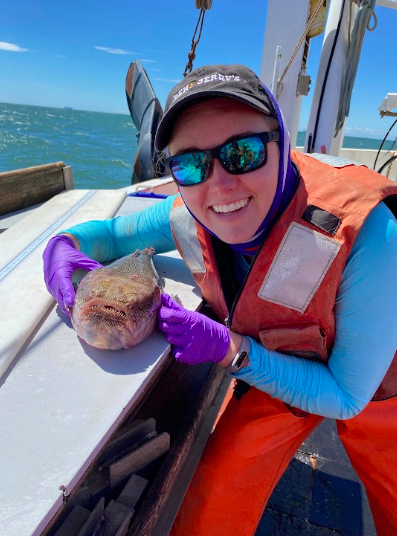
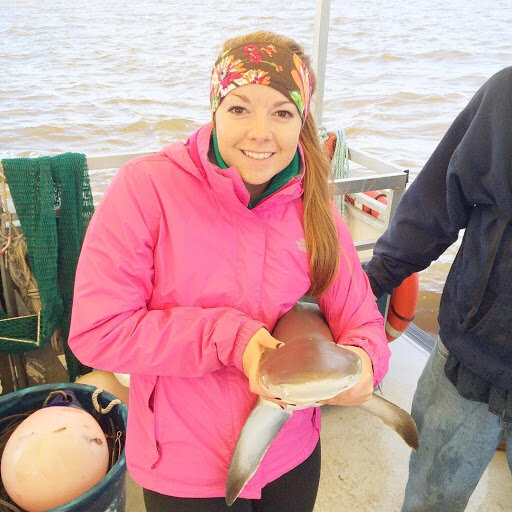
Hello Women in Ocean Science! My name is Brooke Anderson and I am a marine biologist that studies sharks and other fish.
Elasmo Week is a virtual event about sharks, skates and rays - a group of fish collectively called Elasmobranchs. Real scientists will be talking about the various and mind-blowing ways they study elasmobranchs while celebrating as many species as they can! It is a free week-long event, and if you miss out on any of the live talks, they will be available on the MISS YouTube channel for future binge-watching.
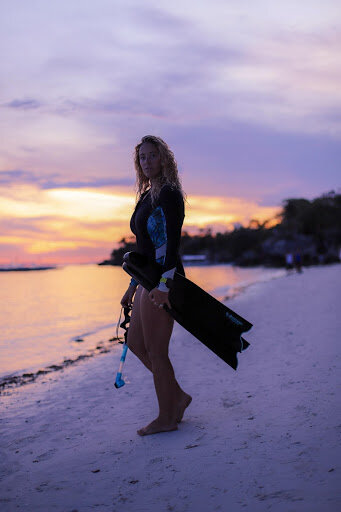
Catherine Cushenan, also know as Cat Sharks, has spent the past six years travelling the tropics, studying shark behaviour - with a little bit of tourism action and videography on the side. She is a shark ecologist, drone pilot and freediver from the U.K. whom has dedicated her life to saving the ocean and its inhabitants. Read below to find out about her enviable relationship with sharks.
Northern Ireland is a small part, of a small island, off the west coast of the United Kingdom. If you’ve heard of my home country then you’re likely to know us for the Giants Causeway (a bunch of basalt columns), the Titanic (the most famous ship that sank), or The Troubles (our troubling history). But there is a valuable part of our heritage that has been lost in cultural memory – our sharks, skates and rays (elasmobranchs).
When I was little I would always tell people that I wanted to be a veterinarian. I even went to college on a pre-vet track. However, the ocean had always been a wonderful and mysterious place to me. I spent countless days fishing with my dad and several summers visiting family in Myrtle Beach, SC, but I had no idea that you could study the ocean and its inhabitants as a job.
In June of 2020 we, the soon-to-be co-founders of MISS, connected/reconnected on Twitter through #BlackInNature, a hashtag that went viral after @BlackAFInSTEM launched Black Birders Week. As the hashtag grew we slowly increased our ranks. Suddenly, four women who had felt completely isolated now had a community of scientists that looked like them.
Skates, together with sharks and rays, are the only extant vertebrates that possess a cartilaginous skeleton. Although it hasn’t been explicitly tested in other species of skates (and there are about 150 species described!), we have a good understanding that they all share the same genetic machinery necessary for formation of cartilaginous skeleton.
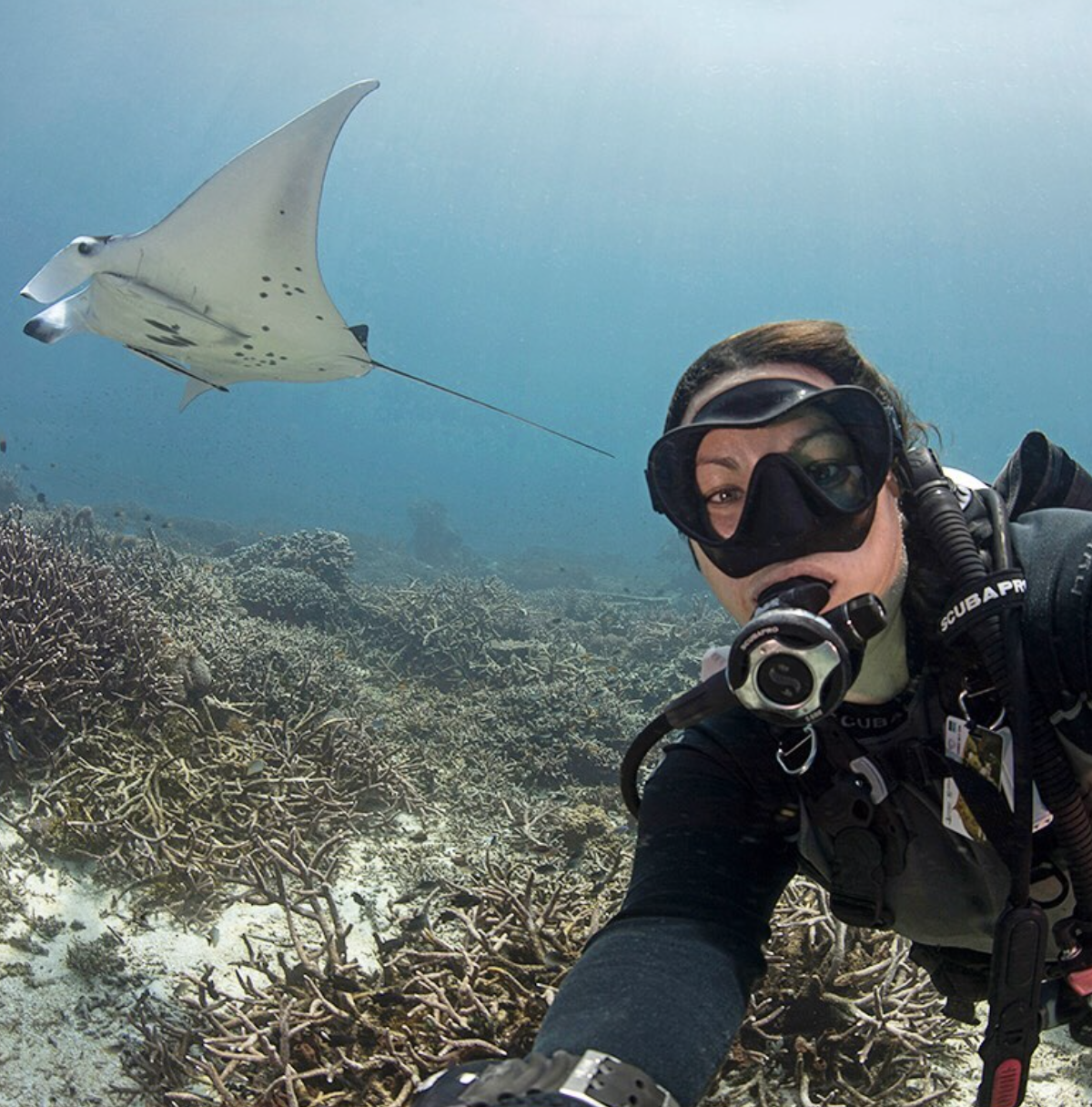
Jacinta Shackleton is a marine biologist and educator at Lady Elliot Island, located right on the Great Barrier Reef. You might recognize her name from her stunning work filming and photographing marine animals. Most notably, she is 1/~50 people to have seen and filmed an Ornate Eagle Ray.
Marine biology is using the powerful methods of molecular biology to answer a variety of evolutionary and ecological questions. Meet Yasmin is a Marine Molecular Biologist studying at the University of Plymouth and the Treasurer for the Royal Society of Biology. Here is an insight to what life is like as a molecular biologist!
Fengjia Liu is a first-year PhD student with the University of Highlands and Islands and based at the Scottish Association for Marine Sciences (Scotland, UK). Her research focuses on ecotoxicology of sea urchins. https://www.sams.ac.uk/people/research-students/fengjia-liu/
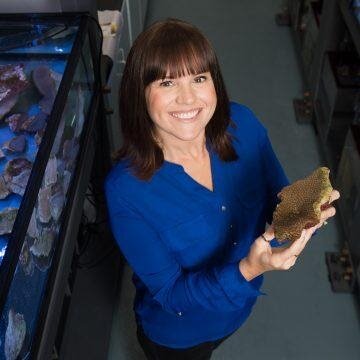
Dr. Sarah Davies, an assistant professor at Boston University utilises molecular techniques to understand how reef-building corals adapt and respond to climate change. Her lab, ‘The Davies Marine Population Genomics Lab’, seeks to understand precisely how and why these responses occur. To date, Dr. Davies has over 30 publications and is an inspiring woman in her field. Continue below as she reveals her journey from junkyard to assistant professor.
Lisa Steiner is the marine biologist for Whale Watch Azores, and has been since 1988! WOS Editor, Dana Tricarico dives into what brought Steiner to this archipelago, and what she has learned in the field of marine mammal science along the way.
In a region known as Macaronesia, located in an archipelago in the North Atlantic Ocean, lies an Island named Madeira. Geographically positioned in the African Tectonic Plate, the waters are frequently inhabited by up to 29 species of cetaceans, equating to roughly 33 % of globally known species. The preservation of this diversity is therefore imperative, considering fatalities of marine mammals elsewhere.
Every time a turtle was washed back by the first wave, it would be covered in glowing phytoplankton. After a while, the whole beach became a sight of bioluminescent-covered turtle hatchlings.